Federal police say extremist sermons have not met the legal threshold for criminal charges

The government is considering whether federal hate speech and vilification laws are sufficiently robust after Australian Federal Police (AFP) commissioner Krissy Barrett revealed that investigations into radical religious sermons had failed to produce criminal charges.
Acting Prime Minister Richard Marles said the government would continue monitoring the effectiveness of existing laws following concerns that some preachers deliberately avoided criminal liability, The Australian reported.
“We continue to monitor these, and we continue (to) look at how we can make sure that our laws are robust in this regard,” Marles said in a statement.
Barrett established Operation Antrobus following the 14 December Bondi Hanukkah attack to investigate potentially unlawful sermons delivered at religious prayer halls. She said AFP investigators had twice reviewed sermons for potential charges but found insufficient grounds for prosecution.
“I am convinced some hate preachers are getting legal advice to ensure they push it right to the edge to prevent the AFP from laying charges,” Barrett said.
Current federal criminal hate speech provisions require threats or calls to violence. The government proposed a criminal vilification offence targeting religious preaching in January but abandoned the measure following opposition from the Greens and divisions within the Coalition.
Opposition home affairs spokesman Jonno Duniam said the Coalition would consider targeted legislative changes to address gaps in existing criminal laws while protecting fundamental freedoms.
Executive Council of Australian Jewry co-chief Peter Wertheim urged parliament to reconsider criminal vilification legislation through proper public consultation.
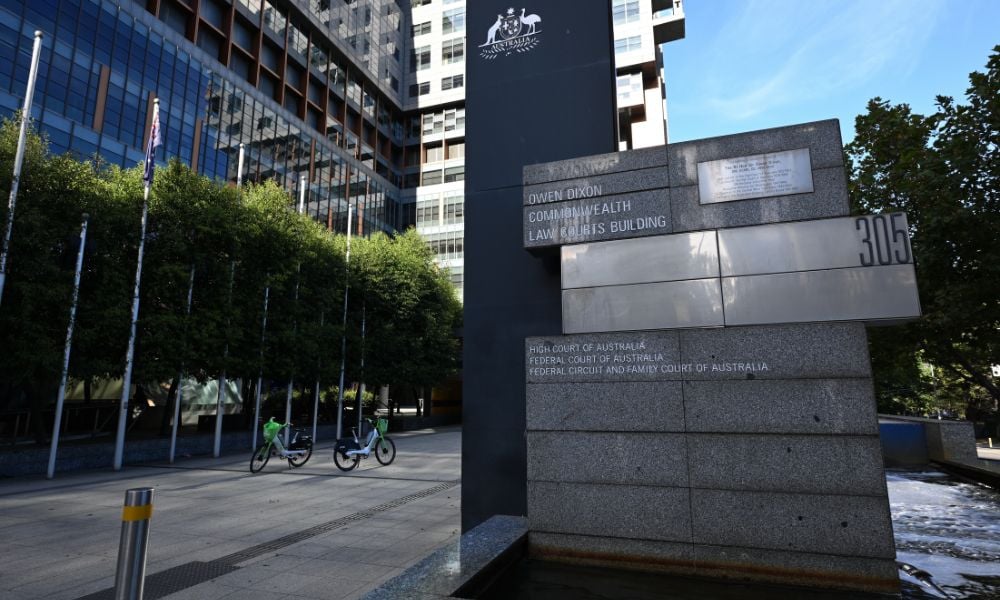
Meanwhile, the federal court approved substituted service of a bankruptcy notice against preacher Wissam Haddad after he failed to pay legal costs arising from a racial discrimination case brought by the council, The Australian reported.
The court previously found Haddad had unlawfully breached racial hate laws through sermons demonising Jewish people. The bankruptcy notice takes effect on 25 November and gives Haddad three weeks to pay or face potential asset seizure.
Marles also said the government had no intention of removing religious motivation from Australia's definition of terrorism.
The AFP will jointly operate a new counter terrorism online centre with the Australian Security Intelligence Organisation (ASIO) in Sydney to monitor emerging extremist activity across digital platforms. The government's consideration of further reforms comes ahead of the antisemitism and social cohesion royal commission's final recommendations, due on 18 December.