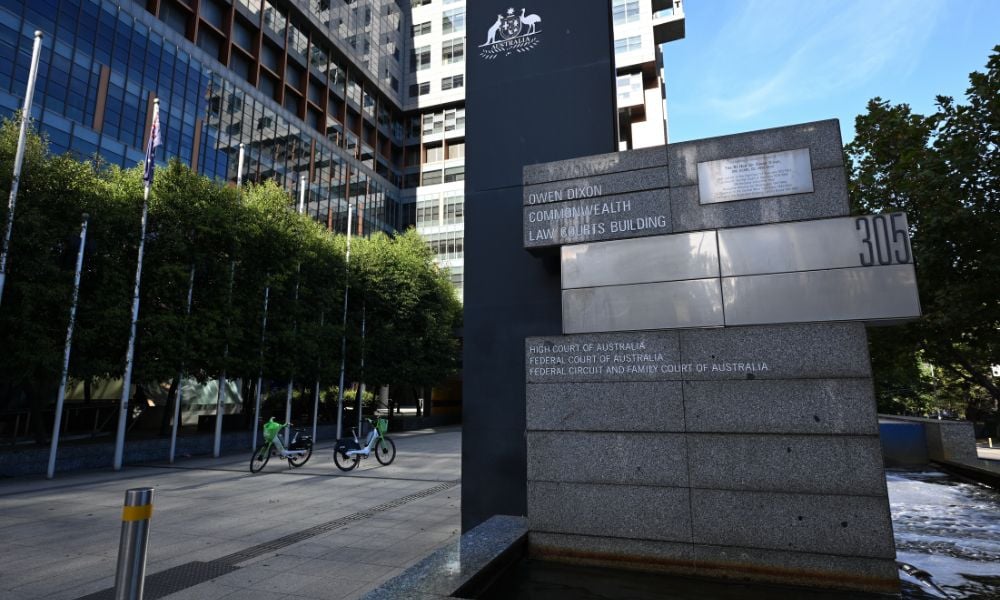
This was an insolvency dispute

A counterparty can defeat a liquidator's attempt to abandon a contract by easing its terms, the NSW Supreme Court held in an insolvency dispute.
In In the matter of Tahmoor Coal Pty Ltd (in liq) [2026] NSWSC 773, the liquidators of Tahmoor Coal Pty Ltd and Bargo Collieries Pty Ltd asked the court to let them abandon a 2018 royalty deed with Glencore Coal Pty Ltd (Glencore). They sought either a declaration that the deed was an "unprofitable contract" – which a liquidator can walk away from without the court's approval – or leave to disclaim it under the Corporations Act 2001 (Cth) (the Act). Glencore asked the court to stop the companies from breaching the deed.
The court found that the deed was a contract that the liquidators could, in principle, abandon under s. 568 of the Act. It rejected Glencore's argument that the deed gave the companies no rights, holding that the deed's provisions on confidentiality, expert determination, and dispute resolution, together with the clause requiring Glencore to act reasonably before consenting to a sale, gave the companies real rights.
The court held, however, that the deed was not unprofitable. One clause barred the companies from dealing with the mine's leases and land without Glencore's consent. Left to operate as written, the court said, that clause would have made the deed unprofitable, given the practical difficulties it created for the sale and the control it would have given Glencore. But Glencore had given advance consent to any buyer the liquidators chose, which removed that burden. The lower sale price the deed produced was, on its own, only a worse commercial bargain, which the court said did not make a contract unprofitable.
The court also rejected the liquidators' argument that Glencore could not defeat their claim by giving up its own onerous rights. Letting a party ease the terms of a contract that would otherwise be unprofitable served the purpose of the law rather than frustrating it, the court said.
The court refused to grant leave to abandon the deed. Doing so, it held, would defeat rights Glencore had obtained in a proper commercial transaction, could undermine certainty in royalty arrangements generally, and would, in substance, transfer wealth from Glencore to the companies' unsecured creditors. It refused, for the same reasons, a related direction that would have let the liquidators sell without Glencore's consent.
On Glencore's application, the court found that the obligations Glencore had undertaken under the deed were sufficient to support its claim for an order enforcing the deed. It said it would make that order unless the liquidators confirmed they would comply with the deed without one. The mine, in the NSW Southern Highlands, had been under care and maintenance since at least May 2025, and binding documentation for its sale was signed on June 17, 2026. The court reserved its decision on final orders and costs.