Google’s AI-generated summaries were found to have falsely linked two local publishers to scams
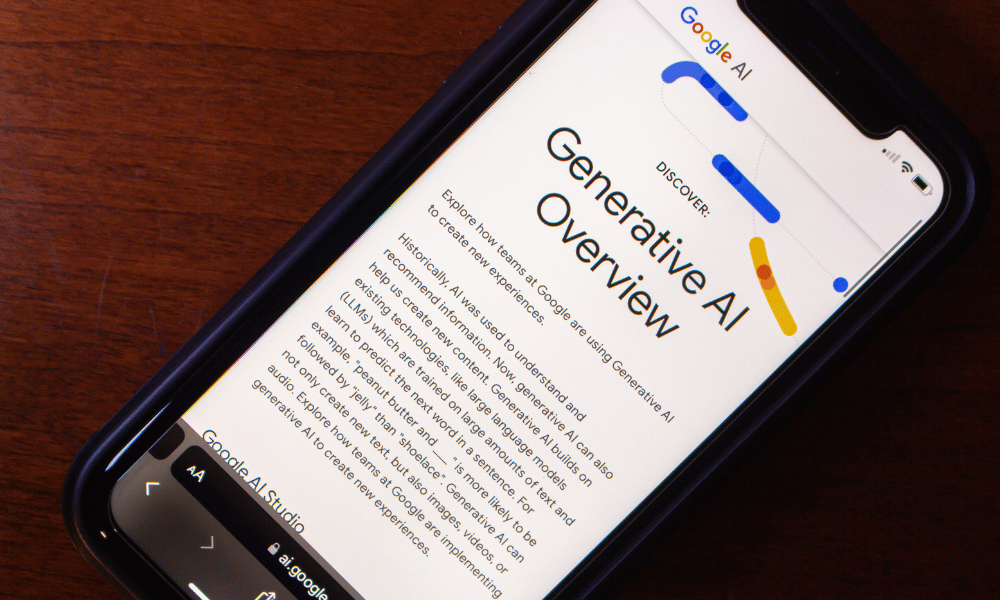
Google is set to appeal a ruling by the Regional Court of Munich that found the search-engine giant liable for the information provided by its AI search overviews.
Google’s AI Overviews had falsely linked two Munich-based publishing companies to scams, subscription schemes, and questionable business practices under some search queries. The court found that Google’s AI system confused the plaintiffs with other shady companies and that the claims against the publishers “are not even made in the search results,” per a snippet of the ruling published by The Decoder.
The plaintiffs presented sworn affidavits indicating that they were not connected to questionable companies. They had initially issued a cease-and-desist to Google, which the company failed to respond to properly.
Germany's Federal Court of Justice had previously ruled that traditional search engines and autocomplete were merely indirect infringers and were not fully liable for information they presented since they only made content findable. However, the Regional Court of Munich determined that Google was a direct infringer because the AI Overviews fall under content directly created by the company.
The court judged that the AI Overviews produced “independent, new, and substantive statements” through their review and collation of information from third-party sites. In the case being decided by the court, the AI Overview reportedly stated confidently that the company in question was “known” for shady business practices; it then constructed an independent structure with a summary, warnings about the supposed scam, and provided tips for users. Therefore, the court classified these statements as Google’s own.
Google alone could assess those statements “at least by comparing the underlying third-party websites with its own statements based on them,” the court said in statements published by The Decoder. It said the company had sole influence over “the AI's offering and the algorithms with which the AI operates.”
Google countered that users were largely aware that AI-generated information was unreliable and said users could verify information provided by the AI Overviews through the sources linked. However, the court argued that while users could do deeper research, the ability to do so did not exempt Google from accountability given that the AI Overviews constituted self-contained statements “with independently understandable content and no reference to other possible interpretations or even unreliable content,” per a statement published by The Decoder. The court pointed out that Google’s argument significantly undercut its own feature by flagging it as largely untrustworthy.
Moreover, the court pointed out if Google could not be held accountable for the AI Overviews’ statements, it would prevent users harmed by such statements from seeking a legal recourse since they could neither sue a third-party site nor Google.
Thus, the Regional Court of Munich issued a temporary injunction order that prohibits Google from circulating false claims about the publishers, including allegations about scams, links to shady businesses, subscriptions schemes, nonexistent communications, and lack of availability. Google was also ordered to cover 80 percent of legal costs.
Google said it disagreed with the court’s decision.
“This case focuses on specific and narrow errors, not the foundational way AI Overviews displays web content. We disagree with the ruling and plan to appeal,” a Google spokesperson wrote in an email statement published by Reuters.