Court says producer rejected offer to access some information on international child abduction cases
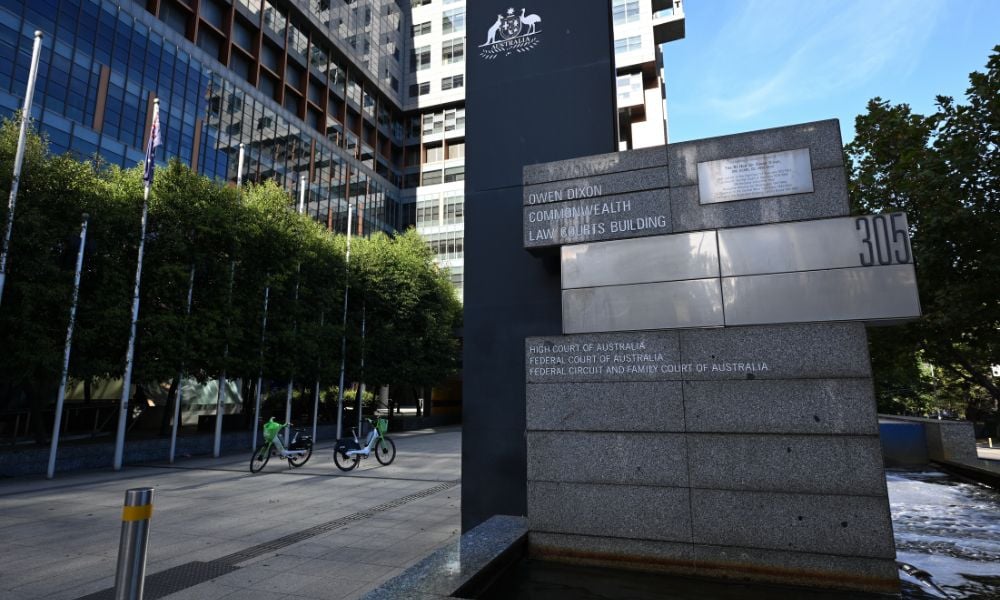
According to the Federal Circuit and Family Court of Australia (FCFCOA), Channel Nine’s 60 Minutes program broadcast a report titled “The Point of No Return” on 31 May 2026 that included factual inaccuracies or omissions about the featured cases.
The report covered stories on international child abduction and the related issues that arose regarding the Hague Convention on the Civil Aspects of International Child Abduction. In connection with the reported cases, the FCFCOA clarified that:
In its news release, the FCFCOA noted that the program’s producer and reporter rejected the court’s offer to access the anonymised judgments for the featured cases to verify the facts and evidence and to comprehend the court’s reasons for its decisions.
The FCFCOA’s news release recognised the difficulty for everyone involved in international child abduction cases, especially for those impacted by family violence and for the children at the centre of a parental dispute spanning countries.
However, the FCFCOA emphasised that Australian courts will not issue orders returning children to the country from which they have been taken if:
The FCFCOA stressed that the Hague Convention’s important objectives of deterring abduction and respecting foreign jurisdictions could not override the imperative to keep children safe from serious harm.
The FCFCOA added that the judges hearing cases involving the Hague Convention have significant experience and access to training and resources regarding family violence, international child abduction, and the complex dynamics involved.