Luxembourg-routed hotel share sale fails to escape Australia's anti-avoidance law
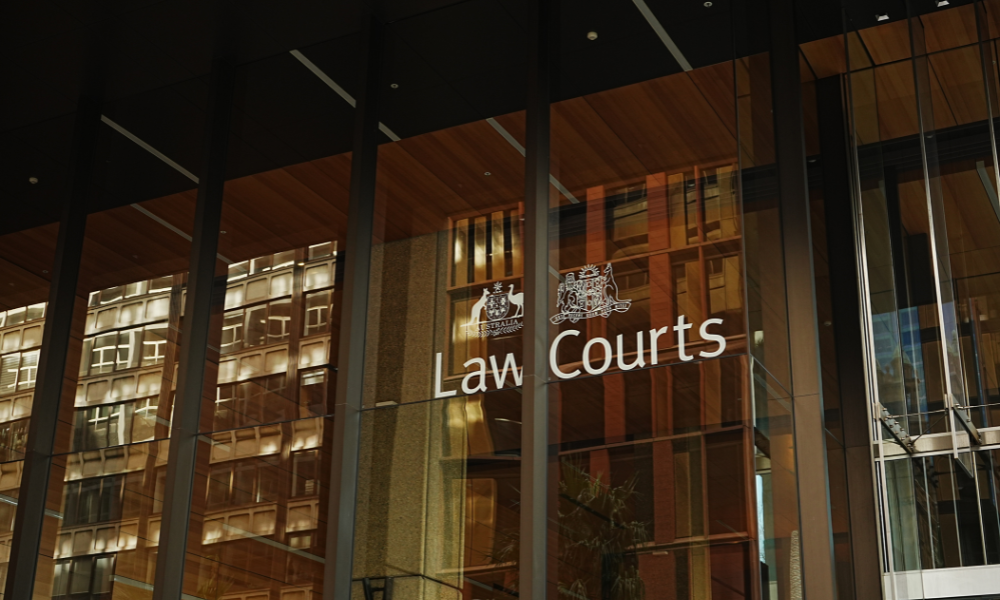
The Federal Court has upheld a $173.3 million tax assessment against Hilton International Australia over the 2015 sale of the Hilton Sydney hotel.
In Hilton International Australia Pty Ltd v Commissioner of Taxation (No 2) [2026] FCA 1325, released 9 September 2026, the Federal Court dismissed Hilton International Australia Pty Ltd's (HIA) appeal against the commissioner of taxation's decision to disallow its objection to an amended assessment. The commissioner had added $173.3 million to HIA's assessable income for the 2015 year under part IVA of the Income Tax Assessment Act 1936 (Cth) (the Act), the general anti-avoidance regime.
The dispute concerned the 2015 sale of a 5-star hotel at 488 George Street, Sydney, then owned by Admiral Holdings Australia (AHA). Ahead of the sale, Hilton restructured its Australian holdings so that AHA's single share was held by a Luxembourg group company rather than by HIA. When Hilton sold that share to Bright Ruby Resources subsidiary for about $29 million, the Luxembourg company, not HIA, returned the resulting capital gain, of about $21 million. Separately, the buyer repaid a $420 million intercompany debt owed to HIA directly, an amount that fell outside HIA's assessable income as a loan repayment.
The court found that the sale was a "scheme" under s. 177A of the Act, and that HIA obtained a tax benefit because at least three reasonable alternative ways of achieving the sale, including a straightforward asset sale, would have produced a taxable capital gain for HIA of the same order as the commissioner's assessment.
On the dominant purpose, the court accepted that the sale had genuine commercial benefits but found that HIA had not shown that those benefits depended on the structure used. The way the scheme was carried out, and the gap between its form and its substance indicated that its dominant purpose was to obtain the tax benefit rather than to secure the commercial advantages the sale achieved.
The court ordered HIA to pay the commissioner's costs of the appeal. Separate proceedings before the Administrative Review Tribunal concerning penalties and shortfall interest charges arising from the same assessment were not before the court in this judgment.