Company can still argue its case at trial
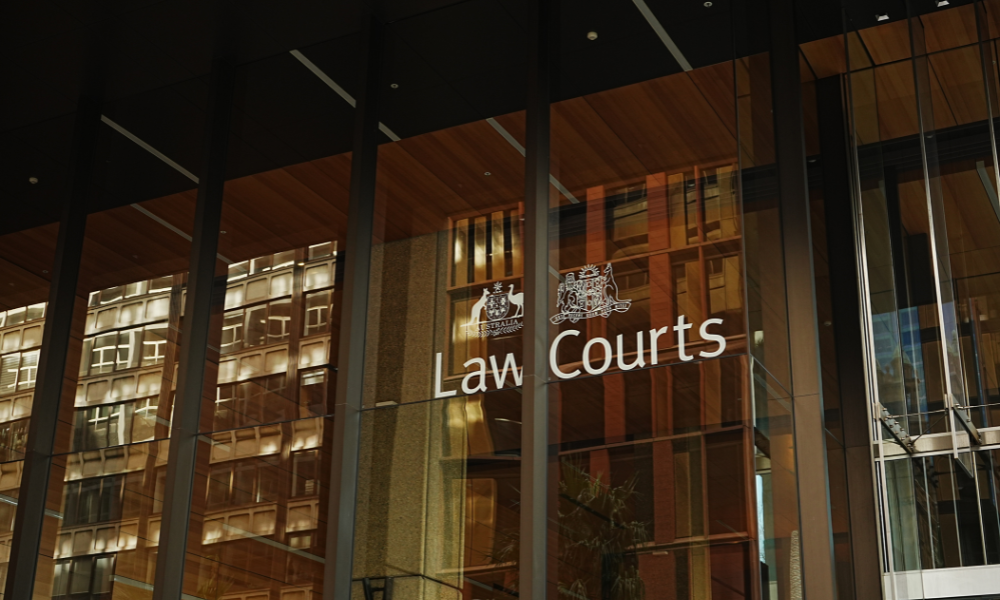
The Federal Court has refused a property owner permission to appeal a ruling that let the tax commissioner keep challenging its building deductions.
On 2 September 2026, in Skycorp Investments Pty Ltd v Commissioner of Taxation [2026] FCA 1285, the Federal Court of Australia dismissed the company's attempt to overturn an earlier decision and ordered it to pay the commissioner's costs.
The company owns a building at Hillarys Boat Harbour in Western Australia. It objected to income tax assessments for the years ending June 1998 to 2014, claiming a deduction for the cost of constructing the building. The commissioner allowed part of the claim, accepting eligible construction costs of $2,695,886, but the company said that the real figure was at least $3,536,909 for one part of the works and pressed a further $1.1 million claim for a separate fit-out.
After the company changed its case, the primary judge ordered the commissioner to file a fresh statement of his position. The company asked the court to throw that document out, arguing that the commissioner should not be allowed to reopen the whole amount of the construction costs. The primary judge refused, and the company sought permission to appeal that refusal.
The company had filed late and asked the court to excuse the delay under the 14-day deadline set by the Federal Court Rules. The court found that the delay was short and caused the commissioner no harm but said that there was no real explanation for it, so the outcome depended on whether the proposed appeal had merit.
The court said that decisions about how a case is run attract "particular caution," and that a party seeking permission to appeal them faced a "formidable task" and a "heavy burden." It accepted that the company had an arguable point about how far the tax appeal reached and what it had to prove.
That was not enough. The court found that the primary judge had not actually decided the point, but had left it for the final hearing, so there was no wrong conclusion to appeal. The company could still argue its case at trial, ask for fuller details of the commissioner's case, or have the disputed point decided separately.
Because refusing permission caused the company no real injustice, and the proposed grounds lacked merit, the court found that the appeal had no realistic prospect of success. It refused to extend time and would have dismissed the application in any event.