Stablecoin firm can probe loan and transfer records as it traces US$456m in alleged fraud

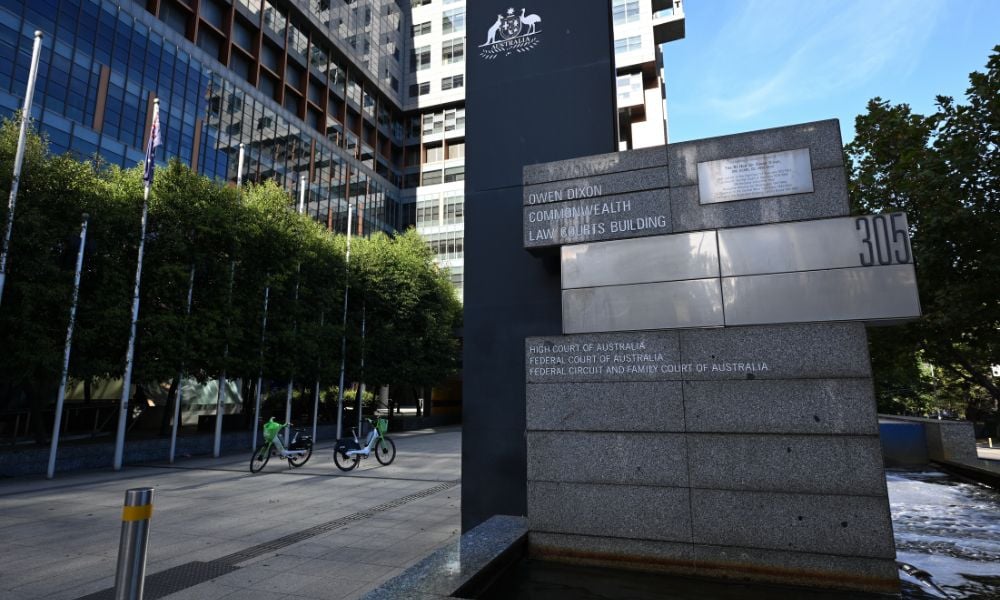
The Supreme Court of Western Australia has ordered an Aria company to hand over documents to TrueUSD's owner in its hunt for US$456 million.
In Techteryx Ltd. v Aria AAAX Australia Pty Ltd [2026] WASC 427, handed down 2 October 2026, the court granted Techteryx Ltd pre-action discovery. The order compels Aria AAAX Australia Pty Ltd (Aria AAAX) to produce documents to help Techteryx decide whether to sue it.
Techteryx owns TrueUSD, a stablecoin pegged to the US dollar. It alleged that US$456 million of the coin's reserves went to UAE company Aria Commodities DMCC (Aria DMCC) as part of a fraud. Techteryx had sued in Hong Kong and Dubai, where the Dubai International Financial Centre Courts (DIFC Courts) froze Aria DMCC's assets up to that amount.
Aria DMCC's managing director told the DIFC Courts that part of the money funded a loan facility that Aria AAAX used to buy grain, and that he believed it drew down about US$100 million. The DIFC Courts described his evidence as "internally inconsistent, evasive and opaque." Aria AAAX did not admit the allegations or that it was liable to Techteryx. The court made no findings on credibility or liability.
Aria AAAX argued that Techteryx had sufficient information to sue. It cited its bank records and Techteryx's statement to the DIFC Courts that it intended to sue in Australia.
The court disagreed. It found that, given the DIFC Courts' criticism, Techteryx's caution about relying on the director's evidence was "understandable." The bank records ran to three pages and did not show where the money came from. It held that a DIFC Courts order extending Techteryx's use of Dubai material to Australian proceedings did not amount to a decision to sue.
The court accepted that Techteryx remained uncertain about four things: whether Aria AAAX received any of the money, how much it received, whether it gave value in return and whether it knew of the alleged breaches of trust. It held that documents on whether Aria AAAX gave value fell within the scope of pre-action discovery, even if they went only to a possible defence.
The court found that the cost to Aria AAAX of producing the documents was "minor" given the sums involved. It rejected arguments that Techteryx sought the documents to advance its foreign litigation and that suing Aria AAAX may be an abuse of process.
Aria AAAX did not appear at the hearing after its solicitors stopped acting.
Techteryx agreed to pay Aria AAAX's reasonable costs of complying. The court also ordered a mechanism for Techteryx to seek to recover those costs if it later sued.