
Appeal ruling acknowledges strong feelings about demolishing whare
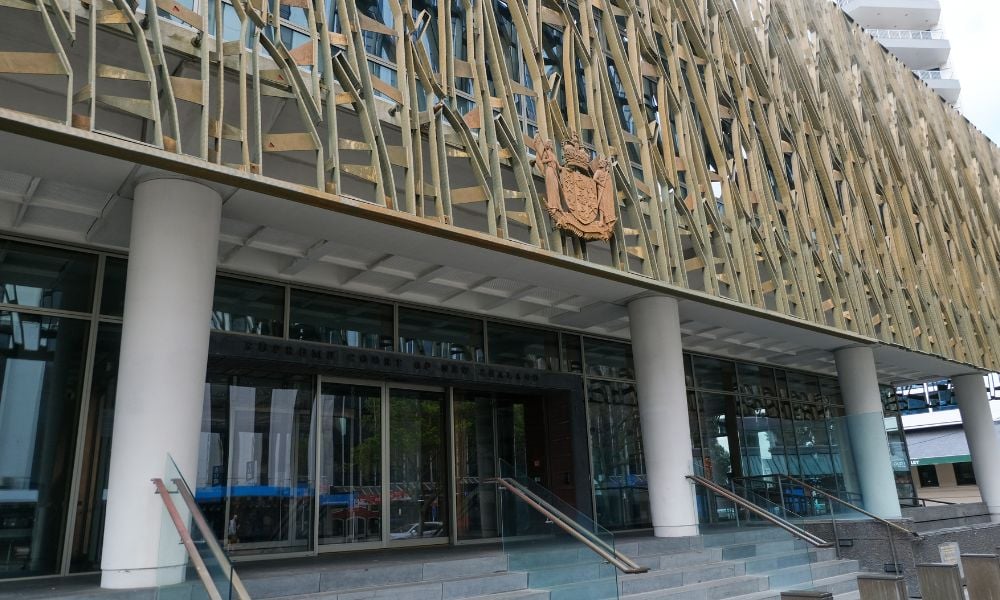
New Zealand’s Supreme Court denied permission to appeal a cost order of the Court of Appeal, which rejected a request to extend the time to appeal a cost award arising from a decision to demolish a whare on trust land.
In this case, the respondent trustees made the decision to demolish the property. The Māori Land Court appointed a pūkenga to investigate tikanga applicable to the area.
The court upheld the trustees’ decision and ordered the applicant to personally pay the trustees’ costs of $9,221.86 under s 79 of Te Ture Whenua Māori Act 1993, with the Māori Land Court Special Aid Fund paying the other half of the costs due.
The applicant appealed the cost order under s 58 of Te Ture Whenua Māori Act. The Māori Appellate Court confirmed the cost order, rejected new evidence, and disagreed with the applicant’s claim that the pūkenga had a conflict of interest.
Rule 43 of the Court of Appeal (Civil) Rules 2005 deemed the applicant’s appeal abandoned due to her failure to comply with the requirement to apply for a hearing date and file the case on appeal within the required timeframe.
On 29 January 2025, the applicant applied for an extension of time to appeal.
On July 15, in Pokere-Phillips v Trustees of Te Hanataua Trust, [2025] NZCA 319, the Court of Appeal of New Zealand denied the application for an extension and ordered the applicant to pay the respondent’s costs and disbursements.
The appeal court determined that an extension would not serve the interests of justice, given the applicable factors. Specifically, the appeal court made the following findings:
The applicant requested leave to appeal the appeal court’s cost decision.
On Oct. 23, in Pokere-Phillips v Trustees of Te Hanataua Trust, [2025] NZSC 147, the Supreme Court of New Zealand granted the application for an extension of time to apply for leave to appeal.
However, the Supreme Court dismissed the applications for leave to appeal and to stay the enforcement of the appeal court’s cost award pending appeal. The Supreme Court ordered the applicant to pay the respondents $2,500 in costs.
The Supreme Court ruled that the appeal raised no question of general or public importance and no apparent miscarriage of justice in the civil context.




