Taxation liabilities arose from misappropriated Māori land trust funds
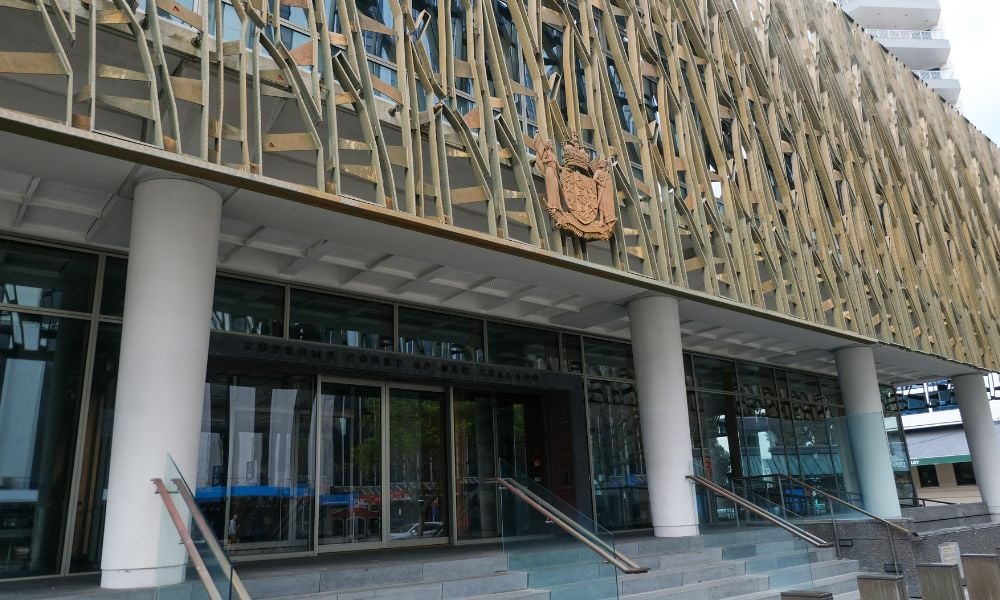
New Zealand’s Supreme Court denied leave to appeal upon finding that s 163 of the Tax Administration Act 1994 (TAA) provided that any enactment prescribing a limitation period or defence would not bar relief regarding a claim to recover taxes.
In Henare v Commissioner of Inland Revenue, [2025] NZSC 95, the applicant misappropriated Māori land trust funds in 2012 and 2013. He received a sentence of up to five years’ imprisonment in 2019.
The commissioner of inland revenue assessed the applicant’s taxation liabilities associated with the stolen funds and some student loan liabilities. The commissioner requested summary judgment, alleging that the applicant had failed to dispute the assessments issued under the Tax Administration Act 1994 (TAA) and thus lacked a defence to the claim.
New Zealand’s District Court granted summary judgment for unpaid income tax, student loan liabilities, penalties, interest, and costs. It determined that the applicant had not disputed the commissioner’s assessments within the TAA’s timeframes and thus had no defence under s 109.
After New Zealand’s High Court reached the same outcome on appeal, the applicant filed applications seeking leave to file a second appeal and an order compelling the provision of a transcript of the appeal the High Court had heard.
New Zealand’s Court of Appeal declined these applications. It decided that the lower courts had correctly applied s 109. It found that the applicant:
The applicant requested leave to appeal the appeal court’s decision. The Supreme Court of New Zealand dismissed the application seeking leave to appeal and ordered the applicant to pay the commissioner $2,500 in costs.
The applicant argued that s 11 of the Limitation Act 2010 offered a defence to a money claim filed over six years after the act or omission on which the claim was based. The court accepted that the Limitation Act did provide this defence.
However, the court ruled that s 163 of the TAA stated that enactments like the Limitation Act that prescribed limitation periods or defences would not bar relief concerning a claim to recover taxes, including unpaid sums under the Student Loan Scheme Act 2011.
The court noted that the augmented leave standard in s 75 of the Senior Courts Act 2016 applied in this case, given that it treated the application as one seeking leave to appeal directly against the High Court decision under ss 69, 73, and 75 of the Senior Courts Act.
Ultimately, the court saw no issue of general, public, or commercial importance arising from the proposed appeal; no apparent miscarriage of justice in the civil context; and no exceptional circumstances rendering it necessary to hear the appeal in the interests of justice.