Certain union members will not load KiwiRail cargo units or work overtime on 18 September
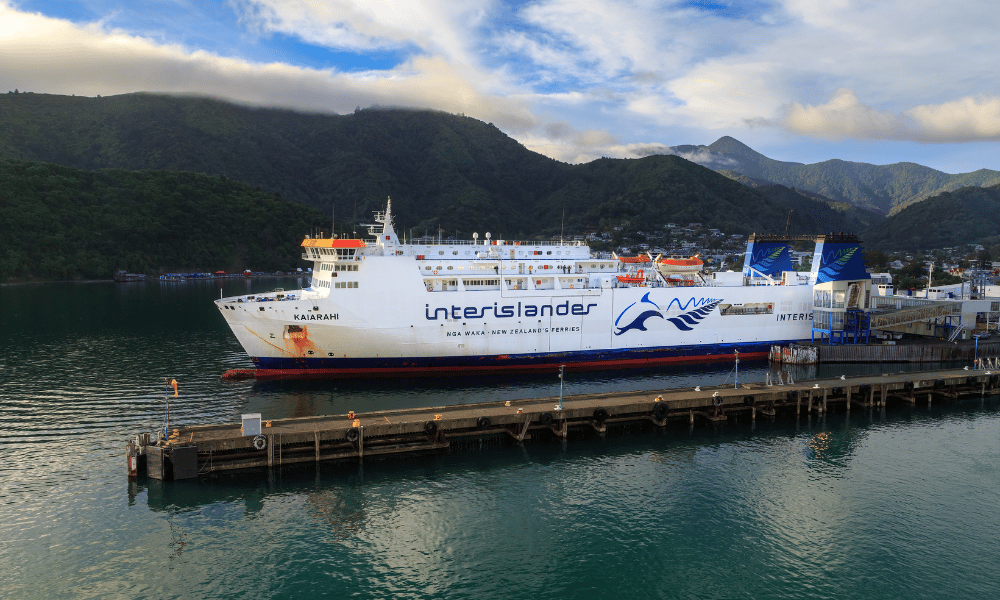
New personal grievance legislation introduced earlier this year has led to a standoff between union members working on Interislander ferries and KiwiRail over the withdrawal of protections that enable eligible employees to challenge unjustified dismissals, reported the NZ Herald.
Union members have issued a notice of partial industrial action to KiwiRail. Those impacted by the law will not load KiwiRail cargo units or work callbacks or overtime on 18 September. Bluebridge ferries are not included in the action.
The conflict involves a bargaining claim for KiwiRail to opt back in to personal grievance provisions, which have been restricted under the new legislation. Those earning over $200,000 a year may no longer challenge employers on unjustified dismissal claims unless they opted out of the clause by contract.
A total of 233 KiwiRail employees hit the given income threshold. KiwiRail had informed them that they would no longer be protected.
The law suggested that earners at this level possessed significant bargaining power; thus, the legislation would improve “flexibility and certainty in the dismissal process for employees who have a significant impact on organisation performance”, per a statement published by the Herald. The NZ Merchant Service Guild (MSG) and Aviation and Marine Engineers Association (AMEA) unions flagged the concern during bargaining for the collective agreement’s renewal, which started in February.
“The law was aimed at quicker removal of non-performing middle and upper management, including CEOs, but has captured many other employees, such as airline pilots, medical specialists, ships’ masters and senior officers, maritime pilots and can extend to other employees who, with overtime, reach the income thresholds, such as Kiwirail’s senior train drivers”, the unions said in a statement published by the Herald.
They indicated that the claim would not cost KiwiRail; it would maintain employee protections related to dismissals.
“The company’s refusal has come as a surprise to the unions and their members. KiwiRail otherwise maintains constructive working relationships with the unions representing its employees”, the unions said in a statement published by the Herald. “Only a very small number of those KiwiRail employees impacted by the law change are employed on the ships”.
The KiwiRail-employed MSG members are masters and chief officers. They along with engineers oversee the ferries’ safe passage; the unions pointed out that in the event of accidents, officers were held liable while masters faced civil and criminal liability with the potential for imprisonment.
“The union and its members see unjustifiable dismissal and reinstatement protections as a crucial check on employers in safety-critical industries, which prevents them from exerting commercial pressure on employees to override their legal duties to put safety first at all times”, the unions said in a statement published by the Herald.
MSG and AMEA indicated that they were open to mediation. KiwiRail chief operations officer Duncan Roy said the company was evaluating possible effects on operations.
The new personal grievances legislation comes into force for current employees in February 2027.