Michael Webster expressed concerns about ease of covert filming, potential uses of data
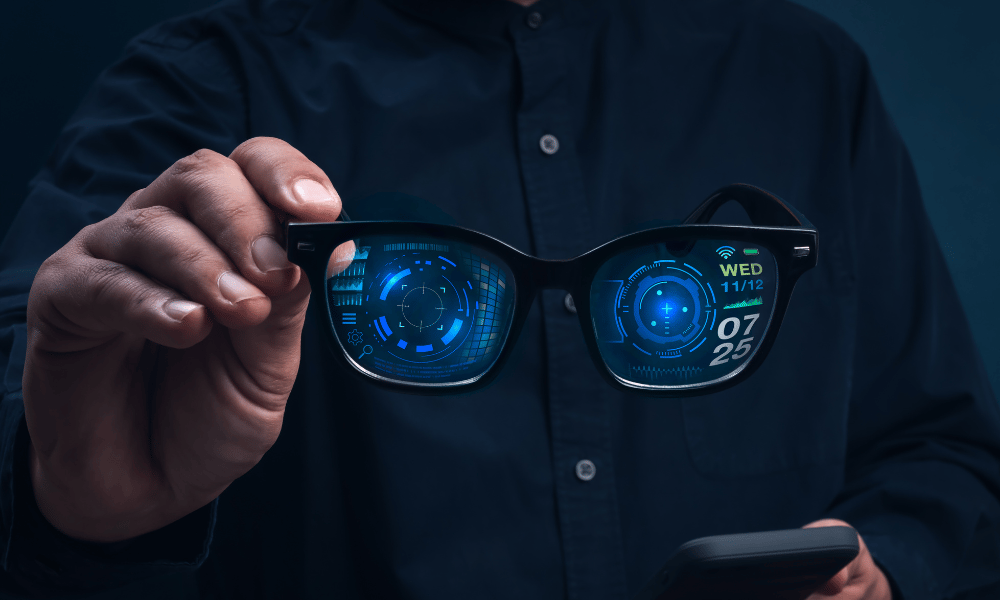
Michael Webster, privacy commissioner, has expressed privacy-related concerns regarding the use of smart glasses in New Zealand and has set expectations for those utilising the technology in a personal capacity or in the work context.
Regarding the use of smart glasses, which look similar to regular eyeglasses or sunglasses, he raised privacy concerns about the following:
In a news release from the Office of the Privacy Commissioner (OPC), Webster said he expected those engaging in the personal use of smart glasses to photograph or record people to respect others’ privacy and to seek consent before filming, as a good practice.
“Most smart glasses have a light that flashes when the glasses are taking a photo or filming,” he said. “But it’s not enough to expect people to look out for this light – you should still tell them that you’re recording.”
Webster explained that utilising smart glasses in a personal capacity to collect others’ information would generally not violate the Privacy Act 2020, given the legislation’s exception for collecting and using personal information for personal or domestic purposes.
He clarified that the exception would not apply to the collection, use, or sharing of the information in a “highly offensive” manner. He listed the following considerations for what might count as “highly offensive”:
“A good question to ask yourself is, ‘Would someone else watching me do this be likely to think it’s creepy for me to record in this situation?’” Webster said. “In some cases recording people, even in public, could be a criminal offence, and footage that is uploaded or livestreamed online could be covered by the Harmful Digital Communications Act.”
Webster identified the following possible actions for those being filmed with smart glasses:
“I would ask New Zealanders not to automatically tag all users of smart glasses with the ‘creepy’ label,” he said in the news release.
Among other legitimate uses, Webster noted that people who are blind or have low vision can utilise smart glasses to describe their surroundings and to navigate public spaces more easily.
Webster expected employers providing employees with smart glasses for work to:
“If an employee brings their own smart glasses into the workplace and uses them for their own purposes, the employee is responsible,” he said in the news release. “But the employer should control their use through policies about appropriate behaviour in the workplace.”
Webster shared that he has discussed the rising utilisation of smart glasses and other wearable technology with other countries’ privacy regulators. He acknowledged a need to look into New Zealand’s legal framework governing smart glasses and similar devices.
“Care will need to be taken to ensure that any potential regulatory change achieves the right balance between harmless uses and protecting people against harms,” Webster said in the OPC’s news release.
“Using smart glasses for hands-free recording of family events is one thing, but given the potential for harm, questions need to be asked about where the boundary and accountabilities lie,” he added.
Here are some other recent news stories relating to New Zealand’s privacy commissioner.
In connection with the December 2025 Manage My Health cyber incident, Webster released on 27 May 2026 the results of his independent inquiry’s first phase, focusing on what caused the cybersecurity breach and who was accountable.
In a speech on 17 March 2026 during the National Cyber Security Summit 2026, Webster attributed 61 percent of serious privacy breaches in the latest quarter to intentional or malicious activity, and 36 percent to human error.
On 23 February 2026, the OPC announced that it signed a joint statement in response to the use of artificial intelligence (AI) systems to generate realistic images and videos featuring identifiable individuals without their knowledge and consent.
Enjoy this story? Read the latest TMT (telecoms, media, technology) news on the main page!