Over 8,000 buildings had been rated quake-prone under rules now set for repeal
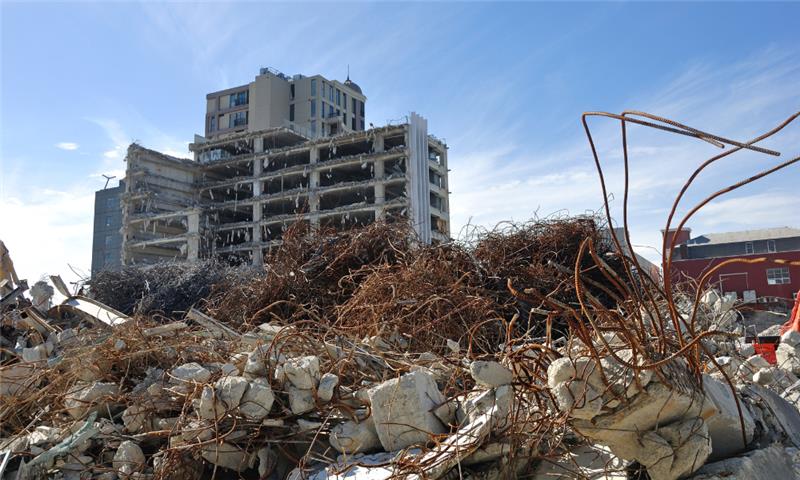
The government has announced that it will replace New Zealand’s earthquake-prone building assessment system with a risk-based approach expected to save more than $8.2bn while removing about 2,900 buildings from seismic requirements.
Building and construction minister Chris Penk said the changes will end the use of New Building Standard ratings, which compare existing structures to new construction and have classified more than 8,000 buildings as earthquake-prone since the system began in 2017.
“While well intentioned, the current system for assessing and managing seismic risk in buildings places an overwhelming financial burden on building owners”, Penk said. “Cities and regions are losing the businesses, churches, town halls, and classrooms that are central to their local economies and community spirit”.
The new system is expected to identify earthquake-prone buildings in two categories: unreinforced masonry structures with unsecured facades facing public areas, and concrete buildings of three stories or more assessed using targeted retrofit methods focused on collapse risks. Auckland, Northland, and the Chatham Islands will exit the system entirely due to low seismic risk, while coastal Otago, including Dunedin, will shift from low to medium seismic zones, keeping 150 earthquake-prone buildings in the system.
Around 840 one- to two-story unreinforced masonry buildings in communities under 10,000 residents will remain on the public register but face no remediation requirements or warning notices. About 1,440 buildings will require more cost-effective fixes, and only 80 will need full retrofits.
The changes follow an extensive review led by the Ministry of Business, Innovation and Employment that found around 5,800 earthquake-prone buildings still awaited remediation or demolition. The review identified remediation costs ranging from hundreds of thousands to several million dollars, causing owners to leave buildings empty and creating derelict structures that pose greater earthquake dangers.
“A building’s overall risk status is determined by its weakest part, meaning even a small defect can result in an entire building being classified as earthquake-prone”, Penk said.
The government will eliminate requirements that owners upgrade fire safety and disability access during earthquake strengthening. Councils will gain authority to grant remediation deadline extensions up to 15 years, and fewer buildings will receive priority status requiring faster remediation.
The system originated from Canterbury Earthquakes Royal Commission recommendations establishing nationwide seismic management. Buildings assessed below 34% of the New Building Standard previously required strengthening or demolition within set timeframes based on three seismic risk zones.