AJ Park helped him file a patent application; a few years later, the firm was giving him a position
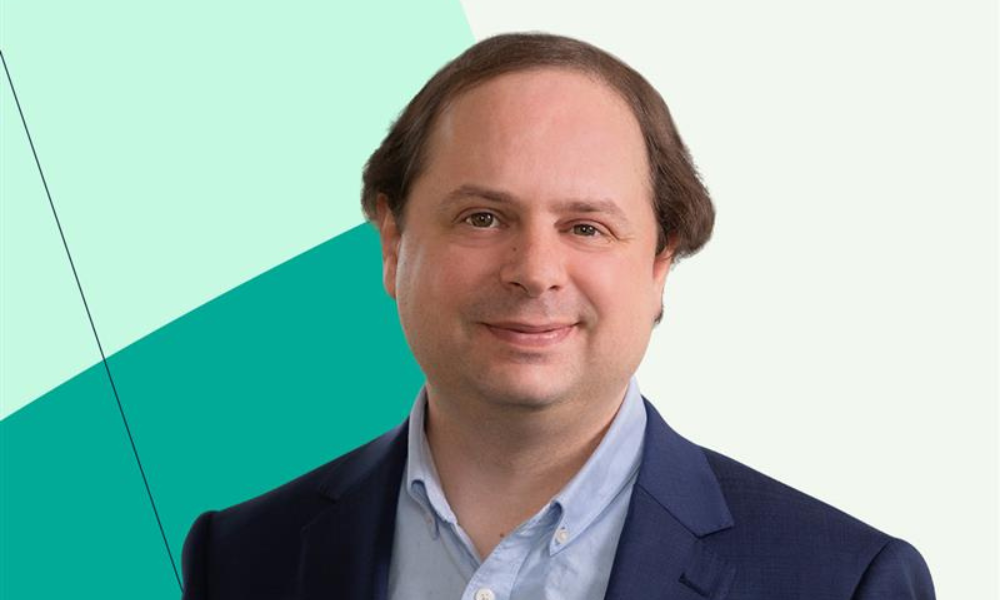
Dr Jason Busby's first encounter with his future employer was as its client. While working with AJ Park on a patent application related to his PhD research, he realised that many patent attorneys were in science. A few years later, he was working with the firm again - this time as a patent attorney on its roster.
In this interview, the AJ Park senior associate, who was promoted to the role earlier this month, discusses the importance of the plain language moment and his "eureka" moment as a PhD student.
What made you choose a career in law, and what's your favourite part of the job?
My PhD research ended up producing something that could potentially be commercially valuable. When we filed a patent application through AJ Park, I was surprised to learn that many of the patent attorneys had PhDs in biology or chemistry. Fast forward a few years, the science funding is running out and I’m looking for career options with a bit more stability. That’s when I reached out to AJ Park to see what a career in IP might look like. They offered me a job, and I’ve been here ever since.
My favourite part of the job is being on the cutting edge of technology, learning about all the latest and greatest advances, and sharing that enthusiasm with inventors and scientists who are genuinely excited about their discoveries.
What in your opinion has been the most memorable event of your career to date?
Finishing the last exam and getting registered as a trans-Tasman patent attorney. That was the culmination of a lot of time and hard work, but worth it. And a relief to be finally done with exams (for sure, this time!)
What’s the biggest lesson you learned in your career and what advice can you give fellow lawyers about it?
Don’t try to do everything yourself — learn to rely on the expertise of others. Many patent attorneys have a very broad technical knowledge base and specialist knowledge in a few particular areas, but no one can be an expert at everything.
What should the profession focus more on?
Our interactions with clients. It is not enough to be technically competent and legally knowledgeable, you need to be able to explain things in terms your client can understand, to give them the information they need to make an informed decision. The plain language movement is a great step towards this.
What are your thoughts on new technology and its impact on the legal profession?
One of the biggest challenges in patent law is the exponential increase in the number of patents and patent applications filed in recent years. If you run a freedom to operate (FTO) search, it’s not uncommon to find more documents filed in the last few years than in the previous 20 years combined.
We are already seeing “AI” search and summary tools to help trawl through these large numbers of documents, and I expect their use will only increase. We have already seen a marked increase in the quality of machine translations of foreign-language documents, and I suspect that computer assistance will soon permeate other aspects of the profession.
What are you looking forward to the most in the coming year?
The NZIPA conference in September is going to be a highlight for me. I wasn’t able to attend previously, so this will be my first one!
If you could relive one day in your life, which day would it be and why?
When I was a PhD student, there was a day when I finally determined the structure of a bacterial protein that I had been trying to solve for years. The structure was entirely unlike anything anyone had seen before — a hollow egg-like shell — but when I finally saw it, everything suddenly made sense. You can tell a lot about how a protein works by its shape, and this shape was extremely informative.
That ‘eureka’ moment when everything falls into place and you can make a leap in understanding is hard to beat.