He shares his thoughts on the Australian government’s handling of AI regulation
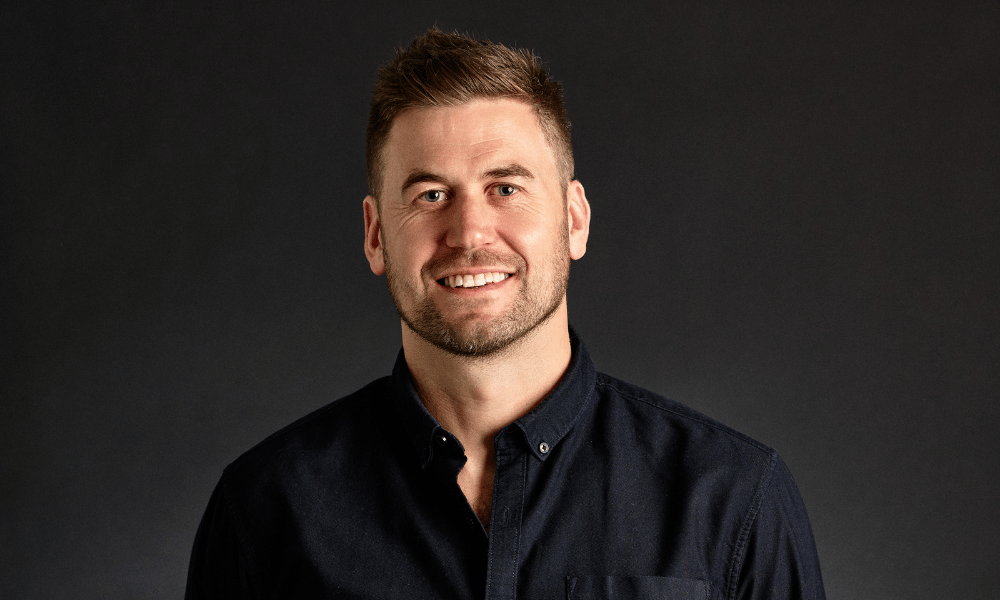
For Marcus Walkom, the basis of his work in entertainment law is the navigation of “the marriage of art and commerce”. As he leads his firm Walkom Entertainment Lawyers, his objective, he told Australasian Lawyer, is to act on behalf of the creative talent “who bring more enjoyment and enrich our lives through the creation of new art”.
However, one of the things threatening the creation of art is AI – particularly, its limited regulation. Innovation, he said, does not mean that creators must devalue their work against their will.
“The policy response needs to distinguish between AI as a tool that supports productivity and our daily lives and AI models or outputs that exploit creative works without consent, transparency or fair compensation”, Walkom told Australasian Lawyer. “AI presents enormous opportunities for the creative industries, but with that comes an even more enormous need to ensure there are safeguards and policies in place to adequately protect our creative industries”.
AI, he pointed out, has lowered barriers to entry into the creative industry by being able to flood platforms with “slop”, increasing competition in an already-competitive market where creatives battle for fans and consumers’ time and money. He also noted that Australia has chosen to deviate from an EU-style standalone AI statute and is instead looking to current legal and regulatory frameworks; however, the pace of regulation is sluggish next to the pace of development.
“The government’s National AI Plan emphasises adoption, capability and safety, supported by an Australian AI Safety Institute. But in such a fast-moving space, we’re still largely unregulated, particularly as relates to the protection of the creative industries”, Walkom warned. “From our industry perspective, the most urgent questions are practical ones: what original human-generated material was used to train a model, whether permission was obtained, how creators can control those uses, how revenue should be shared, and how audiences can identify (or should be informed of) AI-generated content”.
Existing works have already largely been used to train AI; thus, regulation needs to be about protecting the future.
“At the moment this, together with those other questions above, are more generally being tackled by the rightsholders (i.e., record labels, publishers) in direct negotiations with the AI platforms”, Walkom told Australasian Lawyer. “Hopefully the Australian government can work to support the creative industries in these negotiations by looking to legislate to prevent more wide-scale usage of copyright protected materials without authority”.