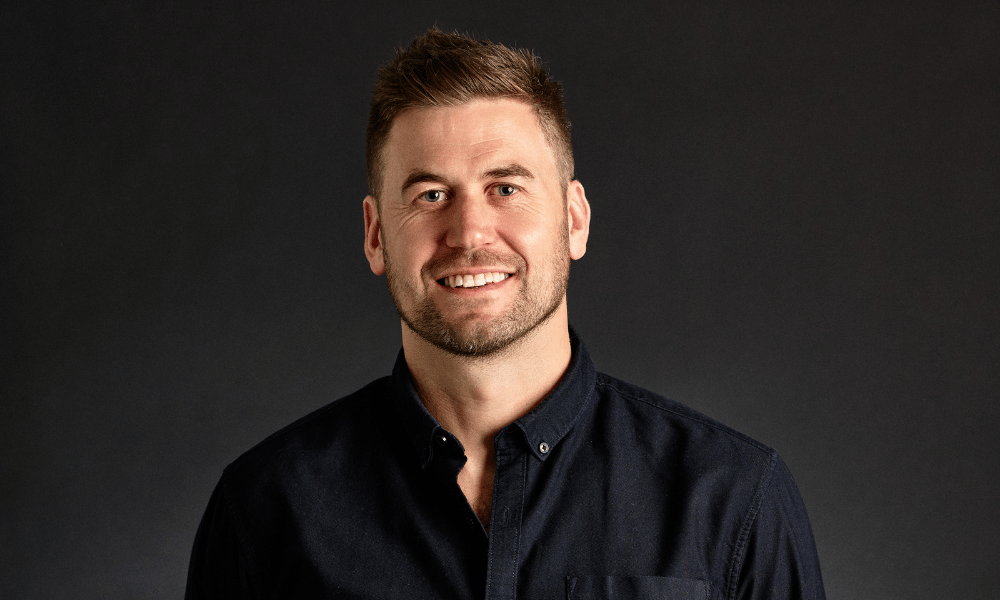
The firm’s co-founders outline how AI has impacted copyright protection in Australia

For Julian Hewitt and Rob Glass, AI is something that represents both challenge and opportunity in Australia.
The entertainment law specialists recently co-founded the entertainment, music and media law boutique Hewitt Glass following the wind-down of Media Arts Lawyers, where both had been partners. Over more than 10 years of working together in this area of law, Hewitt and Glass have watched AI evolve being a “talking point”, as Glass puts it, to a live contractual issue that both deal with today.
“Two years ago, recording and publishing agreements didn't mention AI. Now clients want the paperwork to expressly deal with how their IP is going to be utilized — can it be used to train AI models? That's a hot topic particularly for film and television clients”, Glass told Australasian Lawyer. “We're now negotiating consent and approval rights on something that didn't even exist before”.
He explained that the “patchiness” of Australian law regarding copyright protection as it relates to AI has made it more important for contracts to be tight.
“The more long-term question is around valuation — whether training licenses become a genuine income stream — and our job is making sure clients aren't signing away rights buried in broad grant language for nothing”, he said. “There's no standalone right of publicity here, so protection gets built through the contract. Plenty of our clients want contractual teeth in agreements ensuring multinational entertainment companies can't train their IP on AI models. The legislation is patchy, and the shield currently is making sure the contracts address the issue”.
Hewitt spoke of a conversation he’d had with someone on the flip side – a person looking to launch a platform for AI-generated narrative films. While it represented a big opportunity for that person, he highlighted the significant amount of IP that would be scraped and used to train the AI.
“It's going to very much depend on the client. There will be opportunities and challenges. There's no one straight answer, and the speed of AI's impact on culture and the economy is accelerating fast. Part of our job is to stay in the conversation, understand what our clients stand to benefit or lose from it, and help them navigate it”, he told Australasian Lawyer.
Despite the novel challenges for creatives today, Hewitt believes this might be the ideal time to be a talent or creator in the entertainment industry.
“There are fewer cultural gatekeepers who typically take a toll for their gatekeeping. There's less moat between the creative and their audience and market, meaning less economics being taken out along the way or monopolistic ability for people to dictate deal terms”, he said. “In terms of the overall economics flowing through to creatives, this is absolutely the best time in the history of the business”.
The wealth of opportunities available today empowers creatives to negotiate like they could not before, Hewitt explained.
“In music, for example, we have artist clients with no funding, no record label, no publisher, who released music through a distributor with no rights and sometimes no income share, and generated millions of dollars with no one in between — because someone heard the song, posted it on TikTok, it became a viral trend, and people around the world connected with it”, he told Australasian Lawyer. “That couldn't have happened even pre-streaming, let alone 10 years ago. It's true across all the creative economies — there are ways to capture and monetize an audience without going through the old pipes to market. The old ways still have value, but you're not beholden to them, and that puts negotiating power back in the hands of creatives in a way they've never had before”.