Judge finds adding hearing recordings to appeal evidence will hinder fair administration of justice
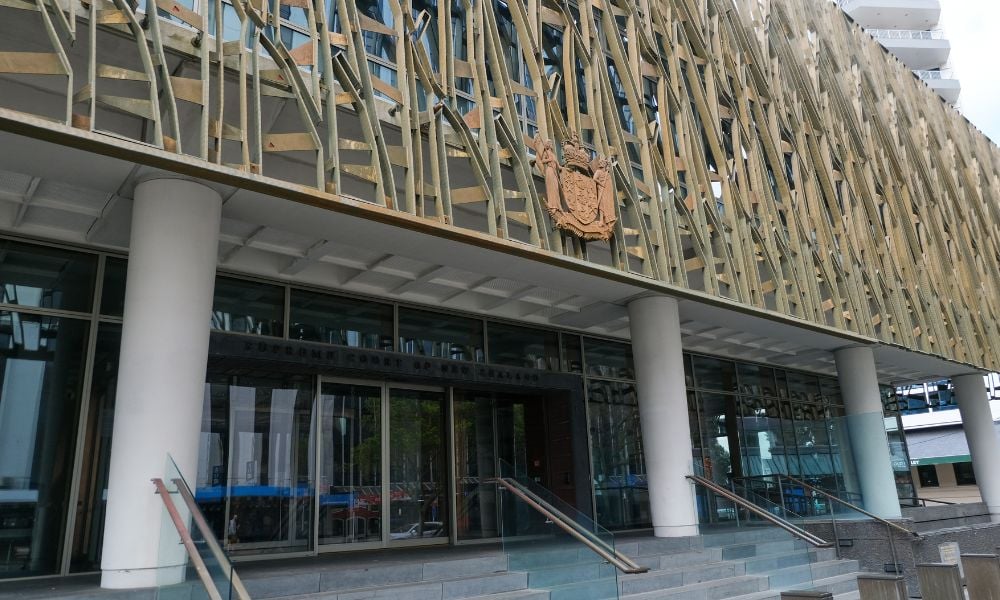
New Zealand’s Supreme Court has upheld a Court of Appeal decision determining that a party’s informal requests for court documents relating to the proceedings could constitute interlocutory applications under s 56(3) of the Senior Courts Act 2016.
In Ingenious Asset Management Limited v McConnon, [2025] NZSC 141, the applicant initiated proceedings against five respondents before the High Court, which ordered the applicant to pay security for costs in the proceedings and associated applications. The applicant unsuccessfully opposed the order.
Associate Judge Brittain directed the applicant to pay costs. The applicant sought to appeal the cost judgment and requested recordings of the hearing on the application for security and case management conferences under the Senior Courts (Access to Court Documents) Rules 2017.
Van Bohemen J refused the request upon determining that the applicant lacked a credible justification for its claim that it required access to the recordings to pursue its appeal.
Van Bohemen J added that including those recordings in the appeal evidence would waste judicial time and resources and contravene the orderly and fair administration of justice, the right to bring and defend civil proceedings, and the open justice principle.
The applicant also sought access to the recording of a hearing before Muir J, where it unsuccessfully tried to transfer the case management from the associate judge to a High Court judge. Muir J denied this request.
Before the Court of Appeal, the applicant wanted to file notices of appeal challenging the two High Court decisions that denied access.
The appeal court’s deputy registrar declined to accept the documents for filing. The deputy registrar found that the applicant should have asked the High Court for leave to appeal and that the appeals challenged interlocutory decisions, thereby exceeding jurisdiction.
The applicant applied for reviews of the deputy registrar’s decisions. At the appeal court, Mallon J dismissed the review applications and determined that:
Before the Supreme Court, the applicant sought leave to appeal Mallon J’s decision and requested clarification regarding the identification of the appropriate parties.
The Supreme Court of New Zealand dismissed the application for leave to appeal and made no cost order.
The applicant alleged that:
The Supreme Court ruled that hearing and determining the proposed appeal would not serve the interests of justice.
The Supreme Court explained that the proposed appeal essentially repeated the arguments tackled by the appeal court and had no prospects of success. The Supreme Court added that the underlying applications for access appeared to lack much merit.
The Supreme Court concluded that the court below properly designated the five respondents as respondents because the decision would impact the resolution of the litigation to which they were parties.