Expert’s height covenant determination also fails for using wrong boundary
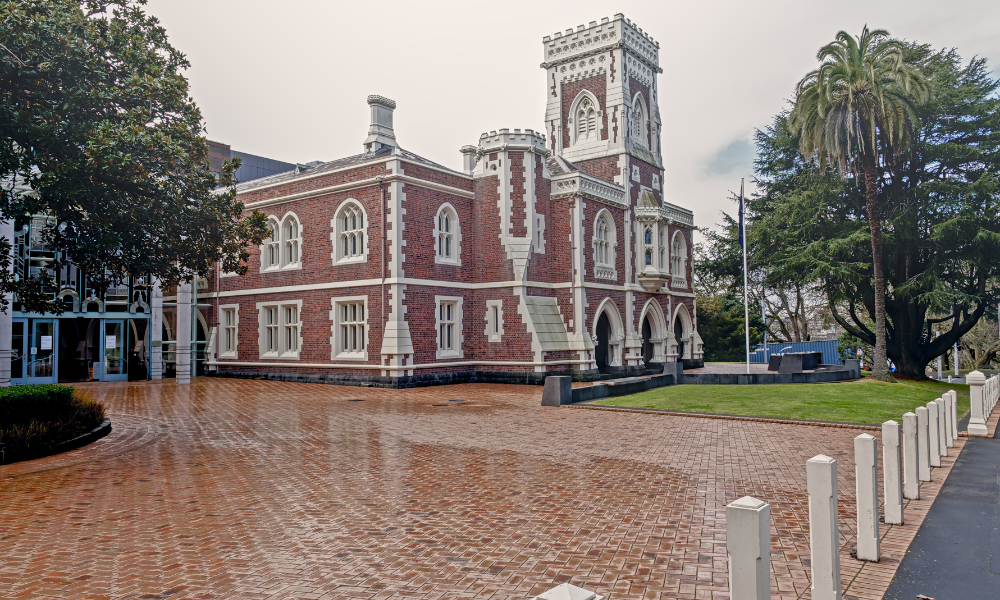
The High Court has held that a sale agreement’s “final survey” and scheme plan clauses gave a vendor trust no right to unilaterally shrink land it had agreed to sell.
In CBP Properties Ltd v Boyd [2026] NZHC 2909, handed down on 23 September 2026, the court ordered a family trust’s trustees to complete the sale of a 775 square metre lot in Mangōnui to CBP Properties Ltd (CBP). It also found that an expert’s height determination did not bind the parties.
The trust agreed in May 2017 to sell CBP part of its coastal property subject to subdivision. The council approved a matching subdivision plan that August. In early 2018, the trustee who made the trust’s decisions grew unhappy with the boundary. Without telling CBP, she had a new surveyor redraw it, cutting the lot to 717 square metres.
The trust argued that the agreement allowed this. One clause required a subdivision consent “substantially in accordance” with the scheme plan. Another made the lot’s area “subject to final survey.”
The court rejected that reading. It found that the clauses protected the vendor if the final measurement differed, or if surveying or regulatory issues made exact compliance impossible or impracticable. They did not let the vendor adjust the lot’s size “to its advantage and to the purchaser’s disadvantage simply at its discretion.” The final survey had confirmed the 775 square metre area.
The court said that land often carried value beyond money, citing the importance to the trustee of an oak tree on CBP’s side of the agreed boundary. The trust had accepted in closing that the sale should proceed, disputing only the lot’s size. The court ordered the trust to obtain a fresh subdivision consent, at its own cost, matching the plan the council approved in 2017.
The agreement also required a surveyor, acting as expert, to set height limits that would best preserve, first, the view from the trust’s retained land “and also the present and future value” of the lot sold. The expert worked from the boundary in the 717 square metre plan and accepted that he did not consider the covenant’s impact on the lot’s value.
The court said that parties could not challenge an expert determination merely because they disliked the result. But an expert who acted outside the contract had not done the job the parties gave them. The court found that the expert did so on both points and ordered a fresh determination. It agreed with him, however, that the covenant could require existing vegetation on the lot to be lowered to preserve the views.
The court also limited the covenant to terms needed to give effect to the height restriction, ruling out the trust’s liquidated damages and legal costs provisions. It said that terms “cannot be imposed merely because they are reasonable or would probably have been agreed to if put forward at the time of contracting.”