He explains why it’s important to urge people to seek proper legal advice for high-stakes situations
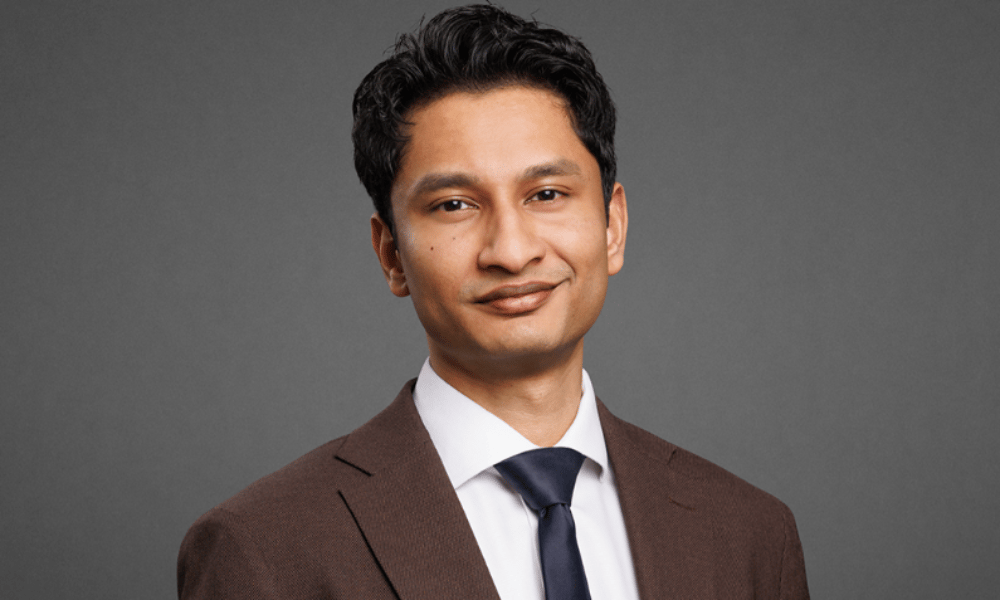
With AI enabling more and more litigants to take the reins themselves in legal matters, DLA Piper senior associate Sundaresh Thangavelu finds it crucial to challenge the misconception that lawyers can’t be trusted.
While Thangavelu doesn’t think the tool will replace lawyers, he considers the shift inevitable and lawyers need to be prepared for that. In the second part of this interview, Thangavelu explains why the rule of law is not just an issue for lawyers and shares a "first" he's looking forward to.
What’s one misconception you think people have about lawyers, and how would you correct that misconception?
Some people distrust lawyers and assume we make simple issues more complicated. In many cases, lawyers do the opposite. The law is rarely straightforward, and it can be difficult to navigate without proper advice. Lawyers help people understand their rights and obligations so they can make informed decisions.
We should do more to encourage people to seek legal advice when the stakes are high, particularly as more self-represented litigants use AI tools without fully understanding their limits. That also means supporting access to justice, including pro bono work and community law centres. No one should be denied good advice or representation because they cannot afford it.
What challenges are particularly pressing in the country’s legal industry?
AI is a major focus for the legal industry. Tools such as Copilot, ChatGPT, Claude, Harvey and Legora are developing quickly, and commentary about their impact is everywhere. It is understandable that many people are asking what wider AI adoption means for the future of the profession.
I do not think AI will replace lawyers, but lawyers will need to adapt. Those who use AI carefully and effectively will be better placed to meet client expectations and keep pace with the industry. In that sense, the shift feels inevitable – much like the move from typewriters to computers.
What are your thoughts on the current state of the rule of law worldwide?
It is easy to take the rule of law for granted, especially in countries like New Zealand where institutions generally work well. But looking globally, it's not always the case. The foundations underpinning the rule of law (like separation of powers, democratic institutions, the media and individual rights) are increasingly being eroded in many places. The rule of law is not just an issue for lawyers. It depends on all of us understanding why independent courts, accountable government and basic rights matter, and being willing to defend them when they come under pressure. Recent commentary from Una Jagose KC and others has been a useful reminder of that.
What are you looking forward to the most in the coming year?
In November, I will attend DLA Piper’s Lead Lawyer Career Academy in Hong Kong. It is the first step in a series of management-level career programmes offered by the firm. I am looking forward to meeting colleagues at a similar stage from across the international firm and learning from the workshop. I have also never been to Hong Kong, so I am excited to experience the city.