The departing New Zealand Women’s Law Journal co-editor-in-chief got friends in the law to help
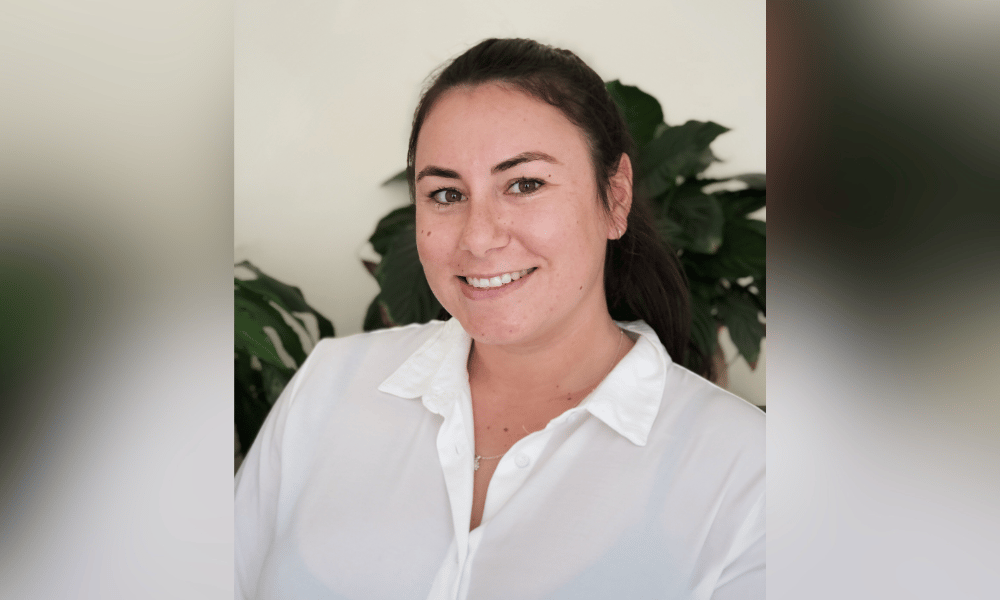
When Nicole Browne applied to become an editor-in-chief of the New Zealand Women’s Law Journal, she did so with zero editing experience. However, what Browne did bring to the table was “lots of ideas” and friends in the profession who could contribute.
In the first part of this interview, the Office of Human Rights Proceedings principal solicitor tells NZ Lawyer what it was like to lead the New Zealand Women’s Law Journal for two terms.
What made you choose a career in law, and what's your favourite part of the job?
I chose a career in law, initially, because of a passion for social justice and human rights. Over time, that developed alongside a real enjoyment of the intellectual challenge of a complex legal question. I enjoy the problem-solving aspects of working in the law and, in particular, litigation and dispute resolution. I am very privileged that my work at the Office of Human Rights Proceedings is rewarding on all of those fronts.
How did you get your start in working with the New Zealand Women’s Law Journal?
The Journal was advertising on LinkedIn for an editor-in-chief. I had no editing experience but lots of ideas and many friends in the law who were eventually roped into writing articles, peer reviewing and speaking at our launch events. I am very grateful the trustees gave me the opportunity. I have truly loved it. I was lucky to be joined by Romy Wales and Rachel Bedggood as editors-in-chief in 2024 and Romy Wales (again) and Samantha Fowler in 2025.
You were an editor-in-chief for two terms – what for you was the most memorable part of your time in helping lead the publication?
The most memorable moments for me have been the launch events. Over the course of a whole year, the Journal team and the authors work hard on articles to complete each edition of the Journal. While we are discussing individual footnotes and sentences, it can be easy to forget that there is a whole community within the profession who are excited to celebrate all of that hard work and enjoy the thoughtful contributions of the authors. The launch events are such a great opportunity to connect, finally see each edition in print, and meet our contributors in person.
What was the most challenging part of that period?
The most challenging part was the start of my first year. The learning curve was very steep – everything takes longer than you expect. I had a lot to learn about the editing, typesetting and publication process. It was exciting to put all of that learning into effect at the start of my second year. Knowing what to expect meant that I could be overprepared and really just enjoy the process.