The next generation is key to a sustainable legal industry, the Duncan Cotterill partner says
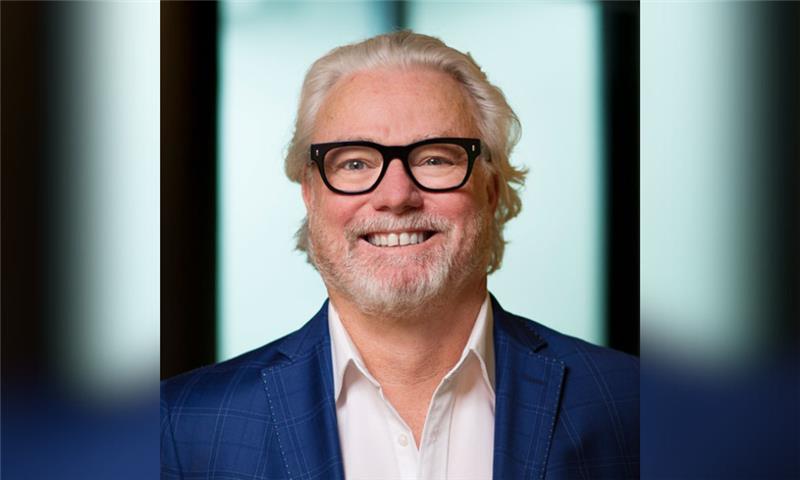
For Duncan McGill, propping up the next generation of lawyers is key to sustaining the legal profession. The Duncan Cotterill partner believes that young lawyers shouldn’t be exposed to what he calls “the less pleasant aspects” of legal practice – such as poor treatment from senior lawyers and judges.
In the second part of this interview, McGill gives his thoughts on the issues with the current legal aid system and being a tech “boomer”.
What should the profession focus more on?
We need to focus more on supporting young people entering the profession. It’s crucial they’re given the right guidance and aren’t exposed to some of the less pleasant aspects of legal practice, like poor treatment from senior lawyers, judges, or the courts, without adequate support. If we want a vibrant and sustainable legal industry, we need to invest in the next generation.
What challenges are particularly pressing in the country’s legal industry?
Access to justice is the most pressing issue. Legal services are expensive, and for many people, that makes justice inaccessible. The legal aid system is underfunded and doesn’t provide sufficient support for those who can’t afford a lawyer. The government needs to review the legal aid regime; improve the rates, make it more attractive for practitioners, and ensure more people can qualify. Right now, too many fall through the cracks: those who don’t qualify for legal aid but still can’t afford legal representation.
What are your thoughts on new technology and its impact on the legal profession?
My kids call me a boomer when it comes to tech — I can use my laptop, and that’s about it. That said, I do think AI will have a significant impact on the legal profession. Hopefully, I’ll be out of the game before it really takes over! But seriously, we need to be cautious. Technology should supplement human input, not replace it. It’s not a silver bullet for access to justice. People still need human interaction, especially when it comes to appearing in court. You’re never going to have a robot standing beside someone in court offering support.
What are you looking forward to the most in the coming year?
I’m finally taking a much-anticipated sabbatical: a month-long trip to Portugal and Sicily that was postponed last year due to unforeseen circumstances. It’s been a long time coming, and I’m really looking forward to it.