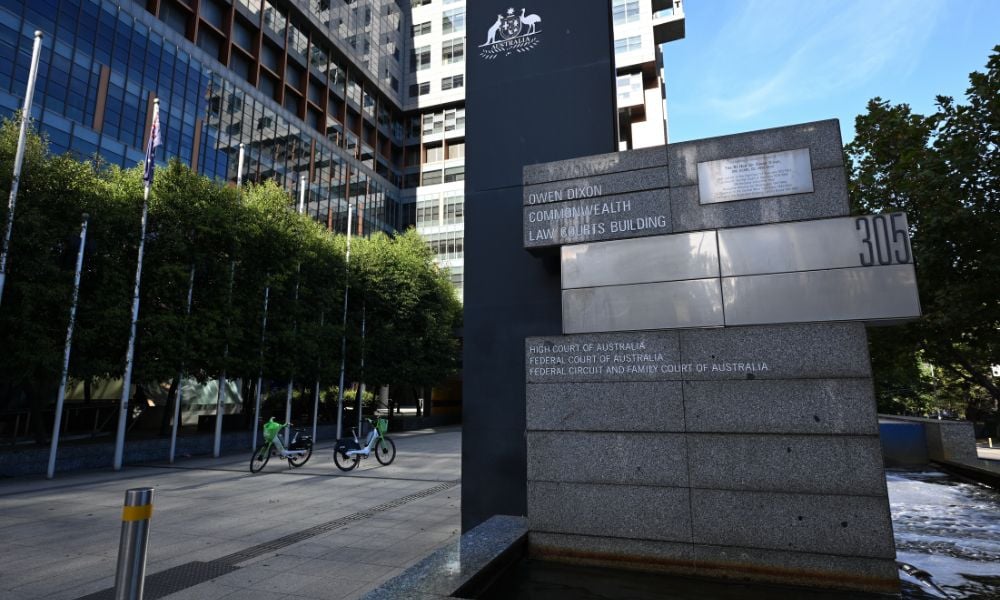
Court held that access determinations must be read through a third-party lens
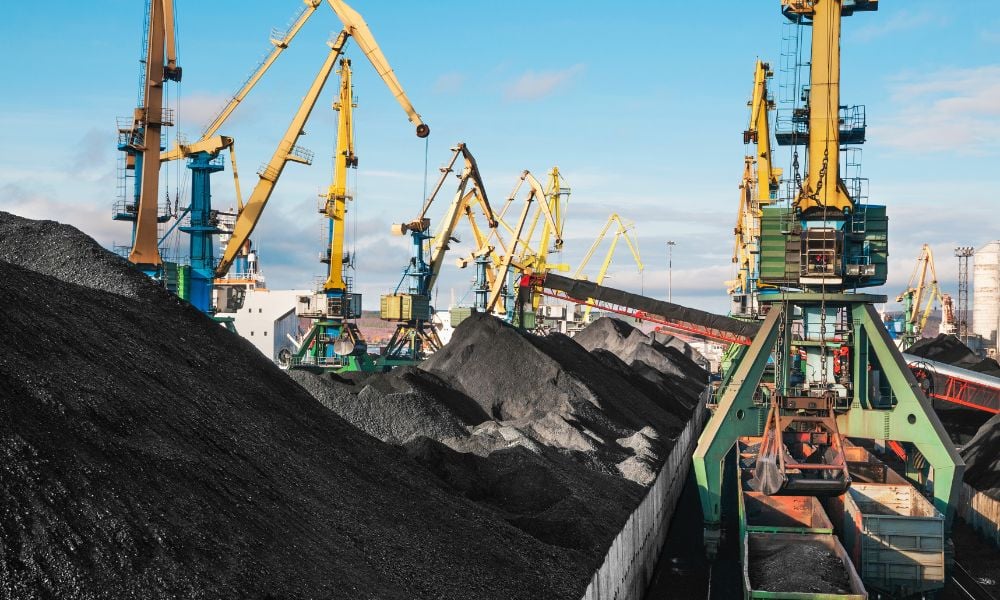
A coal exporter's bid to access a lower port charge without a linked navigation fee failed on 20 April in the NSW Court of Appeal.
In Glencore Coal Assets Australia Pty Ltd v Port of Newcastle Operations Pty Ltd [2026] NSWCA 64, the Court unanimously dismissed Glencore's appeal with costs. The decision confirmed that Glencore Coal Assets Australia Pty Ltd could not take the benefit of a determined wharfage charge at the Port of Newcastle without also accepting liability for a determined navigation service charge.
Glencore exported coal through the port, typically through free on board (FOB) sales. Under the Ports and Maritime Administration Act 1995 (NSW), Glencore paid a wharfage charge as the owner of coal loaded onto vessels, but the navigation service charge fell on the "owner" of the vessel, typically the buyer of the coal as charterer. Port of Newcastle Operations Pty Ltd (PNO) has operated the port since privatisation in May 2014 under a 98-year lease.
The dispute centred on an access determination under Part IIIA of the Competition and Consumer Act 2010 (Cth). The Australian Competition and Consumer Commission made a final determination in 2018, which the Australian Competition Tribunal varied in 2022 after proceedings that passed through the Full Court of the Federal Court and the High Court. The determination fixed both charges and set out their scope in clause 2.1, limiting it to circumstances where Glencore either chartered a vessel or made a representation under section 48(4)(b) of the PMA Act that it had the functions of the owner of a vessel, or accepted the obligation to exercise those functions. Both conditions rendered Glencore liable for the navigation service charge.
The commercial stakes proved substantial. Between 2018 and 2025, PNO's non-determined wharfage charge rose approximately 443.3 percent to $0.4053 per revenue tonne, while the Consumer Price Index for Sydney increased only 24.27 percent over the same period. The determined rate stood at just $0.0927 per revenue tonne as at 1 January 2025.
In December 2024, Glencore gave PNO written notice stating it intended to use the determined wharfage charge for coal loaded by ten Glencore-related companies, but expressly disclaimed any intention to use the determined navigation service charge. The dispute then proceeded to the Supreme Court.
Justice Peden in the Supreme Court of New South Wales found Glencore could not access the determined wharfage charge in isolation. Glencore appealed on four grounds.
Justice McHugh, writing for the Court with Justices Mitchelmore and Stern agreeing, held that clause 2.1 defined the scope of the entire determination, not merely the navigation service charge. The Court found the word "includes" in clause 2.1 carried an exhaustive meaning in context, noting that the heading read "Scope", not "Part of Scope", and that no other provision addressed the circumstances in which the determination applied.
The Court also held that access determinations under section 44V should be construed from the perspective of a reasonable third-party access seeker at the time of the determination. This approach meant parties could not rely on submissions or contextual matters from ACCC arbitrations or Tribunal proceedings that the determination or its reasons did not incorporate by reference.
Even on Glencore's broader approach to extrinsic material, the Court found the procedural history did not support its case. The Court further noted that the building block model underpinning the determination's pricing, which calculated the navigation service charge by deducting the fixed wharfage charge from the maximum allowable revenue, assumed Glencore would pay both charges.