Blanket denials in pleadings could not open the door to new arguments

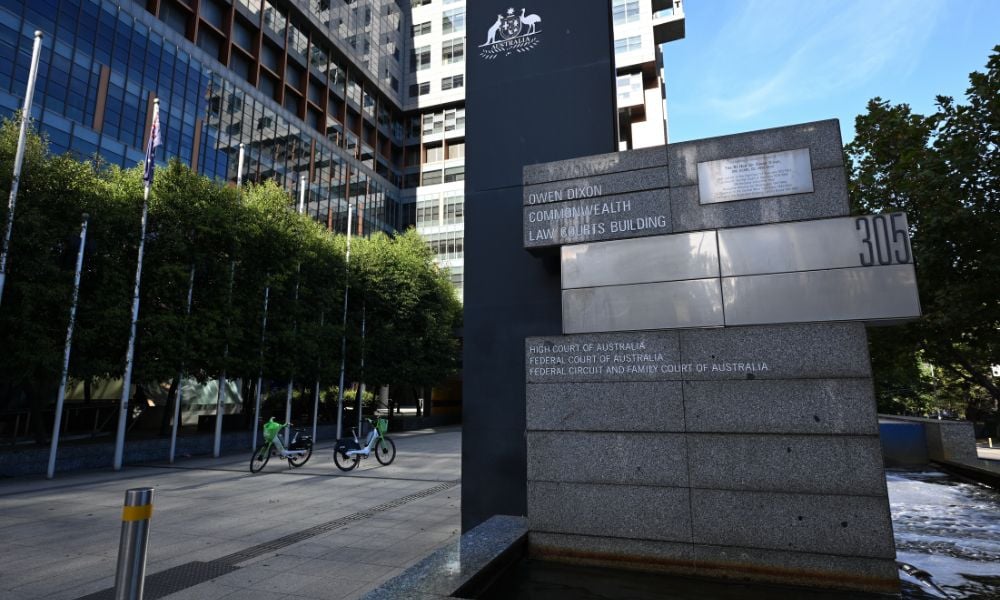
The NSW Court of Appeal on 7 April 2026 upheld a receiver's right to sell shares a borrower sought to transfer out of a security.
In Crown v Nicodemou in his capacity as Receiver and Manager of Coronam Holdings Pty Ltd [2026] NSWCA 49, the Court unanimously dismissed an appeal by Thomas Crown and Coronam Family Office Custodian Pty Ltd (together, Crown) against a declaration that Resilient Investment Holdings Pty Ltd (RIH) held legal and beneficial ownership of 10,432,818 shares in Ailo Holdings Pty Ltd (the Ailo shares).
Pursuant to a Land Facility Agreement dated 3 May 2022, MC Coronam Pty Ltd (Merricks) advanced $87,493,606 to entities controlled by Crown, including RIH. On the same date, RIH entered into a General Security Deed granting Merricks a security interest over its present and after-acquired property, subject to certain carve-outs.
Merricks issued a notice of default on 15 November 2023. On 26 March 2025, by Deed of Appointment, Costa Nicodemou was appointed receiver and manager of certain property, including that of RIH and other entities.
As at 30 April 2025, Ailo's share register recorded RIH as holder of the Ailo shares. On 13 June 2025, Crown wrote to the receiver and asserted that Coronam Family Office, not RIH, owned the shares. He sought to substantiate this allegation by enclosing a signed share transfer dated 26 September 2024, apparently recording a transfer from RIH to Coronam Family Office. The receiver refuted the allegation and noted that Ailo's records showed no record of the alleged transfer before 13 June 2025.
At first instance, Justice Ball declared RIH the legal and beneficial owner of the Ailo shares. Justice Ball construed cl 2.2(a)(ii) of the General Security Deed, which carved out equity interests in companies that were not wholly owned subsidiaries where the company's constituent document required its consent before a grantor could grant a security interest. Justice Ball held that Ailo's constitution contained no such restriction: while cl 20.1 gave directors discretion to refuse to register a share transfer, neither the constitution nor the shareholders' agreement required Ailo's consent to the creation of a charge. The cl 2.2(a)(ii) carve-out did not apply, and the charge over the Ailo shares was valid.
On appeal, Crown submitted, on various bases Crown had not raised in the Court below, that the charge did not extend to the Ailo shares. Crown argued that the shareholders' agreement served as the "Relevant Contract" under cl 2.2(a)(ii) and that Ailo's other shareholders were the "relevant Counterpart[ies]", because the agreement required written consent from all ordinary shareholders before any disposal.
The Court of Appeal, comprising President Ward, Justice Adamson and Justice McHugh, dismissed the appeal. Justice Adamson found that Crown's blanket denials in its Commercial List Response did not put in issue whether cl 2.2(a)(ii) applied to the charge. In the Court below, Crown submitted no more than that the Ailo shares fell outside the charge because Ailo was not a wholly owned subsidiary of RIH, and Crown made no submission on the meaning and application of the balance of cl 2.2(a)(ii).
Justice Adamson noted that the new argument would have required additional evidence that Crown chose not to adduce, and reiterated that parties to an appeal are generally bound by the way they conducted themselves in the Court below.
Justice Adamson also indicated, obiter, that had it been necessary to decide the question of standing, she would have found that s 420(2)(k) of the Corporations Act 2001 (Cth) conferred standing on the receiver to bring proceedings to determine issues of ownership or control of property secured by the charge. The Court ordered Crown to pay the receiver's costs.