The approval skipped a 'special circumstances' test and gave traditional owners no say

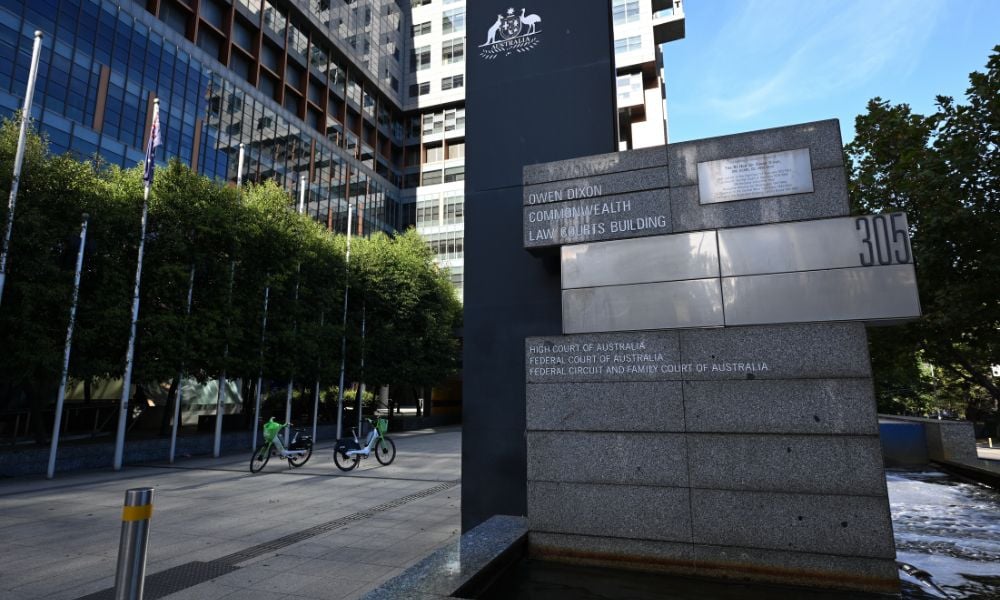
The High Court of Australia quashed a 30-year groundwater licence granted to an agribusiness after finding the approving minister overlooked a legal precondition.
In Mpwerempwer Aboriginal Corporation RNTBC v Minister for Territory Families and Urban Housing as delegate of the Minister for the Environment [2026] HCA 23, the court set aside the licence and sent the matter back to the responsible minister to be decided again according to law.
The licence let Fortune Agribusiness Funds Management Pty Ltd (Fortune) extract up to 40 billion litres of groundwater each year to irrigate a Northern Territory property, in what a government department described as "possibly the largest volume application in a single water resource by a single entity in Australia." The appellant was the organisation that represented the native title holders of the land.
A licence could not run beyond 10 years unless, under s. 60(4)(b) of the Water Act 1992 (NT), the decision-maker was "satisfied that special circumstances justify the longer period." The court held that this satisfaction had to exist before the power to grant a longer term became available.
That requirement was added on 29 September 2021, shortly before the licence issued, but the change was not explained in the material put before the minister. Two briefings running to more than 1,660 pages did not set out the provision or mention "special circumstances," and the minister decided to grant the licence less than one business day after receiving them.
The court concluded the requirement was overlooked and that the minister never formed the necessary state of satisfaction. That failure alone invalidated the decision, the court said, whatever effect it might have had on the outcome.
The court rejected a second argument, finding the minister did take Aboriginal cultural values into account as the relevant water plan required.
On a third argument, the court found the minister denied the appellant a fair hearing. A new condition required the company to prepare an assessment of the impact on Aboriginal cultural values. The company was told of it and given two days to respond, but the appellant was not notified until after the licence issued. The court held the appellant should have been heard first.
Because the review remained undetermined, no action could be taken under the licence until the decision was re-made.