Appeal fails against Fox Sports, whose honest opinion defence succeeded
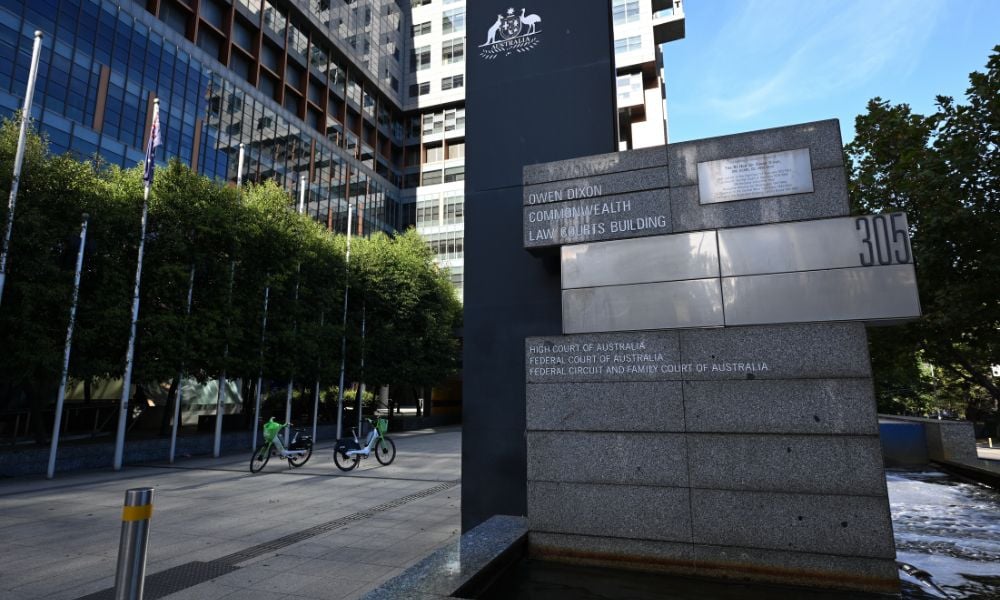
In proceedings involving the Defamation Act 2005 (NSW), the Federal Court’s Full Court dismissed an appeal from a judgment favouring Fox Sports Australia Pty Limited, but allowed an appeal against TCN Channel Nine Pty Ltd and Nine Network Australia Pty Ltd (together, Channel 9).
The appellants filed defamation claims against Fox Sports and Channel 9 – the respondents in Thurston v Fox Sports Australia Pty Limited [2026] FCAFC 89 – in connection with two separate television broadcasts of a rugby match in Gosford, New South Wales, in August 2020.
The primary judge dismissed the appellants’ claims. The appellants appealed from the order.
The appellants alleged that the Fox Sports and Channel 9 publications defamed them by imputing that they were racist, had racially vilified or racially abused an Indigenous Australian player, or had made vile racist remarks toward the player.
In separate proceedings, the appellants argued that a broadcast by Channel Seven Sydney Pty Ltd and Seven Network (Operations) Limited (together, Seven) defamed them. Upon finding defamation, the primary judge ordered Seven to pay the appellants $200k in damages, plus interest.
As against Channel 9, the primary judge determined that the appellants failed to make out the pleaded defamatory imputations.
Regarding Fox Sports, the primary judge acknowledged that the appellants made out the asserted defamatory imputations. However, he dismissed the appellants’ claims upon upholding Fox Sports’ defence of honest opinion under s 31(2) of the Defamation Act.
On appeal, the appellants asked the court to allow their appeals, enter judgment against the respondents, and order the respondents to pay damages and the costs of the proceedings.
As against Channel 9, the appellants claimed that the primary judge should have found that they made out the alleged defamatory imputations, rejected the channel’s defences, and awarded substantial damages.
Regarding Fox Sports, the appellants argued that the primary judge should have rejected Fox Sports’ defences and awarded substantial damages.
In its notice of contention, Fox Sports contended that the primary judge wrongly found that the appellants made out their pleaded defamatory imputations.
In their notices of contention, the respondents asserted that the primary judge should have upheld their statutory qualified privilege defence under s 30 of the Defamation Act and their justification defence under s 25 of the Defamation Act.
Given that the first appellant passed away in 2025, his administrator ad litem appealed on his estate’s behalf. The Full Court of the Federal Court of Australia dismissed the first appellant’s appeal against the respondents, as s 10 of the Defamation Act proscribed his appeal. The court ordered Channel 9 to pay the first appellant’s appeal costs.
Next, the court allowed the second and third appellants’ appeal against Channel 9 and remitted their proceedings for further hearing on Channel 9’s pleaded defences. The court ordered Channel 9 to pay the second and third appellants’ costs of the appeal.
In the case of Channel 9, the court ruled that the primary judge erred in rejecting the pleaded defamatory imputations and should have determined that the appellants conveyed each imputation.
The court held that an ordinary reasonable viewer would have the overall impression that the appellants had in fact engaged in racial abuse, were thus ejected from the stadium, and should be banned from attending National Rugby League games for life. The court decided that the primary judge erred in reaching a contrary conclusion.
Lastly, the court dismissed the second and third appellants’ appeal against Fox Sports. The court ordered the second and third appellants to pay Fox Sports’ appeal costs. The court ruled that the primary judge correctly found that the appellants conveyed the alleged defamatory imputations.
However, the court held that the primary judge appropriately denied the appeal against Fox upon correctly upholding its honest opinion defence under s 31(2) of the Defamation Act.
Upon considering the text and tone, the court determined that the primary judge correctly concluded that the Fox Sports commentators offered opinions instead of factual statements during the broadcast. The court added that the primary judge correctly found that the subject of the Fox Sports broadcast involved a legitimate and important public interest.
Otherwise, the court deemed it unnecessary to address Fox Sports’ notice of contention.