
Court rejects bid to obtain unredacted legal report prepared for Tokio Marine Holdings
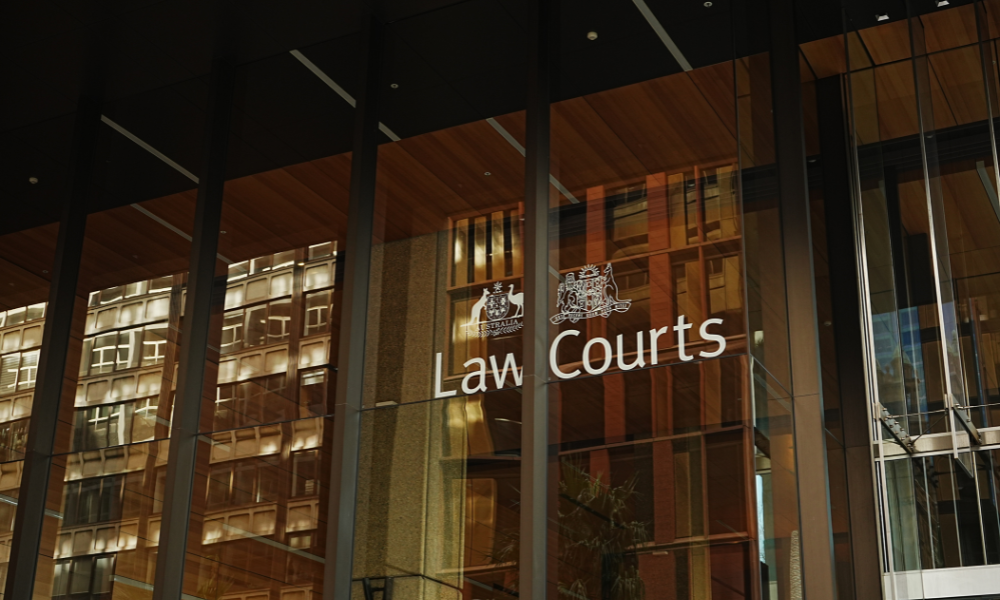
The Federal Court of Australia has dismissed an application by White Oak Commercial Finance Europe (Non-Levered) Limited to obtain an unredacted Japanese legal report, finding that Australian legal professional privilege protects the document despite Japan having no equivalent doctrine.
In White Oak Commercial Finance Europe (Non-Levered) Ltd v Insurance Australia Ltd (Japanese Privilege) [2026] FCA 1475, the court ruled that Australian law governed the privilege claim and that disclosure of a confidential update to a Japanese regulator had not waived privilege.
White Oak sought production of a report dated 11 December 2020, prepared by Japanese law firm Mori Hamada & Matsumoto (MHM), from BCC Trade Credit Pty. Ltd. and two Tokio Marine entities.
The report was prepared in connection with investigations into BCC's former Head of Trade Credit, Greg Brereton, following concerns that he had written trade credit insurance policies beyond his approved authority limits.
Tokio Marine Holdings, Inc (TMHD), BCC's ultimate Japanese parent company, commissioned MHM to advise on potential breaches of Japanese laws and regulatory standards, preventative measures, and ongoing compliance obligations.
White Oak argued that Japanese law should determine whether privilege applied. Because Japan does not recognise a doctrine of legal professional privilege, White Oak submitted that the court should order production.
The Federal Court rejected that argument, finding that rule 20.02 of the Federal Court Rules 2011 refers to privileges recognised under Australian law.
The court held that no choice of law issue arose because the dispute concerned immunity from compulsory production under Australian discovery procedures.
The court further concluded that Australian law would apply even if a choice-of-law question arose, consistent with authorities that apply the forum's law to privilege disputes.
The court accepted expert evidence that Japanese law protects confidential lawyer-client communications through professional confidentiality obligations and restrictions on compulsory document production.
The court also rejected White Oak's argument that MHM primarily conducted a factual investigation rather than provided legal advice.
The court found that the report's dominant purpose was to communicate legal advice on TMHD's obligations under Japanese law. The investigative work formed part of preparing that advice.
The court also found that all eight discovered copies of the report were independently privileged because they had been created for legal advice or litigation purposes.
White Oak also argued that TMHD and Tokio Marine & Nichido Fire Insurance Co Ltd waived privilege by disclosing information to Japan's Financial Services Agency.
However, the court found that the companies provided only a confidential update based on the report, not the report itself. Agency officials also faced statutory confidentiality obligations.
The court concluded that the limited regulatory disclosure did not undermine confidentiality or waive privilege. Ultimately, the court dismissed White Oak's interlocutory application.



