Court finds no arguable basis for relief despite recognising risk of informal care breakdown
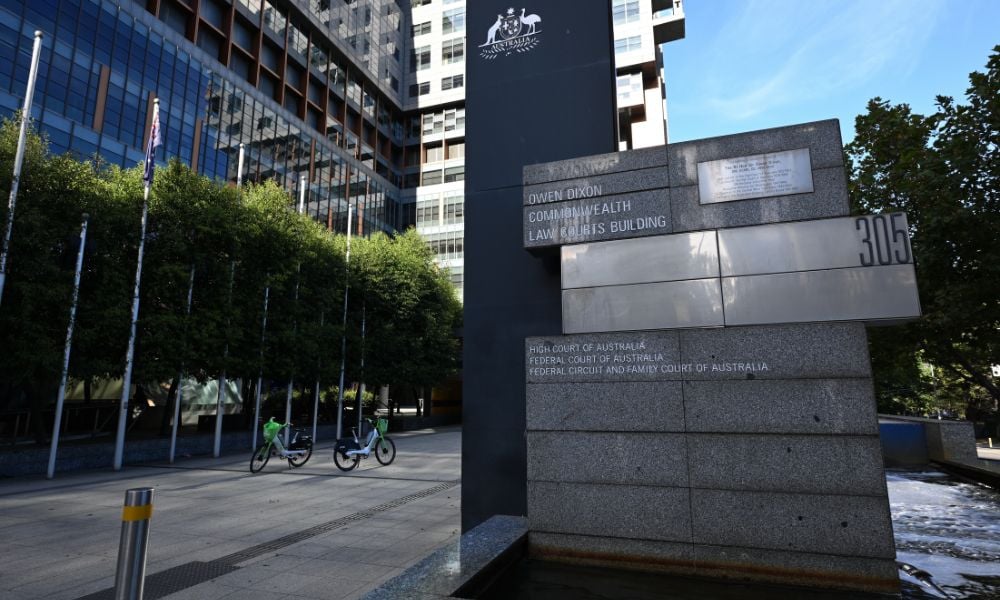
The Federal Court of Australia has dismissed an application for interlocutory injunctions seeking to restore disability support funding for a National Disability Insurance Scheme (NDIS) participant, finding no arguable basis to challenge the agency's decisions on legal unreasonableness grounds.
In Satyadharma by his Litigation Representative Hryniewiecki v Chief Executive Officer, National Disability Insurance Agency [2026] FCA 1646, a 17-year-old applicant with severe autism spectrum disorder and epilepsy sought to reinstate an earlier NDIS plan and obtain additional funding after transitioning from high school.
His father, acting as his NDIS nominee, requested funding in August 2026 for a post-school transition program, support worker assistance and transport.
The National Disability Insurance Agency subsequently reduced funding through a September plan. Following another reassessment, an October plan provided limited interim funding, including 30 hours of weekly support on a one-to-two basis for 24 weeks.
The father argued that the reduced funding threatened his son's safety because both parents had disabilities that limited their ability to provide continuous supervision. He also raised concerns that reductions would affect speech therapy and physiotherapy.
The Administrative Review Tribunal had refused an application to stay the September plan and require additional transitional supports. The father subsequently commenced Federal Court proceedings, initially seeking to appeal the tribunal's decision.
The court permitted the proceedings to continue as an application for judicial review under s. 39B of the Judiciary Act 1903. The father ultimately relied on allegations that the agency's September and October funding decisions were legally unreasonable.
The Federal Court found that his arguments expressed disagreement with the agency's assessment but failed to establish that its decisions exceeded the statutory discretion entrusted to its chief executive officer.
The court noted that the agency had recognised a risk of informal care breakdown but considered the requested supports excessive, disproportionate, and inadequately supported by the available evidence.
Although the court found no arguable basis for relief, it considered the balance of convenience. It accepted, for interlocutory purposes, that reduced funding exposed the teenager to a risk of inadequate care because of his parents' disabilities.
The court nevertheless held that it could not substitute its own funding decisions for those authorised under the statutory scheme. It appointed the father as litigation representative and permitted him to conduct the interlocutory application without a lawyer.
The court dismissed the injunction application. The tribunal's merits review remained scheduled for December 2026.