Judge reprimands lawyer, makes personal costs order against him
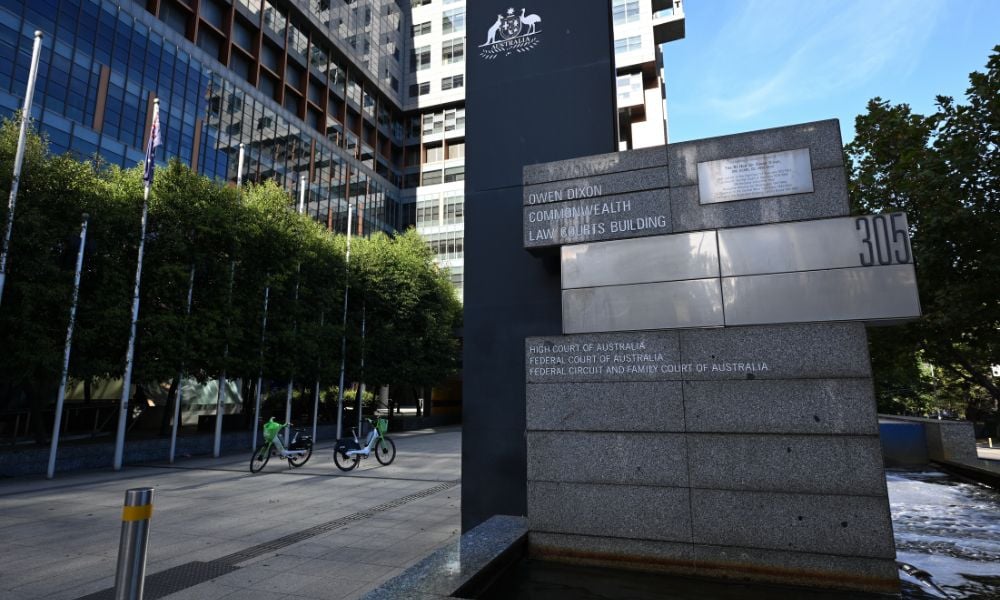
Based on his improper use of generative artificial intelligence (genAI), Australia’s Federal Circuit and Family Court (FCFCOA) found it appropriate to issue a personal cost order against a lawyer involved in judicial review proceedings against the minister for immigration and citizenship.
The court denied the judicial review application of the applicant in Dey v Minister for Immigration and Citizenship (No 2) [2026] FedCFamC2G 1799.
As the first respondent, the minister applied for costs, including costs against a lawyer involved. In a submission and affidavit filed on 1 March 2026, the lawyer opposed the potential costs order against him personally.
The court identified genAI use in the preparation of the lawyer’s first costs submission and the submission filed in the applicant’s judicial review proceedings. These submissions included
authorities that were hallucinations or that were not an authority for the asserted propositions.
The lawyer admitted to utilising genAI improperly in preparing the judicial review and first costs submissions.
Specifically, after the court asked for clarification, the lawyer acknowledged that six authorities cited in the judicial review submissions were hallucinations, while five authorities cited in the first costs submissions were also hallucinations.
The lawyer also accepted that the minister incurred costs relating to the costs application because of his inappropriate use of genAI in preparing submissions filed on 1 March 2026 and withdrawn on 5 May 2026.
However, the lawyer wished to limit costs against him personally to $1.5k.
The FCFCOA directed the applicant to pay the minister’s costs fixed at $6.7k. The court also ordered the lawyer to pay the minister’s costs fixed at $9.6k.
The court had no reason to doubt that the lawyer’s remorse and apology for improperly using genAI were genuine. The court found it unlikely that the lawyer would repeat such conduct. However, the court considered this a clear case for ordering costs against the lawyer personally.
In the interests of justice and within its inherent supervisory jurisdiction over lawyers, the court decided that its sanctions should also include a public reprimand through naming the lawyer in its reasons and orders.
The FCFCOA expected lawyers to ensure that the authorities cited in submissions existed, rather than being mere hallucinations of a genAI program, and to satisfy their professional duties and obligations when utilising genAI.
Regarding the lawyer’s improper use of genAI in this case, the court noted that it was the one that identified genAI use in the judicial review and first costs submissions. The court added that it utilised its resources to fact-check, which was unacceptable.
Here are some other recent AI-related news stories in connection with the FCFCOA.
In a proceeding where the FCFCOA Division 2 dismissed an unlawful termination claim, the judge issued a 2 July 2026 decision describing the case as “a cautionary tale about the dangers of befriending Artificial Intelligence (AI)-powered chatbots who masquerade as legal advisors.”
On 29 May 2026, FCFCOA Chief Justice William Alstergren released a practice direction on AI use, developed by the FCFCOA AI committee and reflecting insights from internal and external consultation.
Enjoy this story? Read the latest litigation and dispute resolution news on the main page!