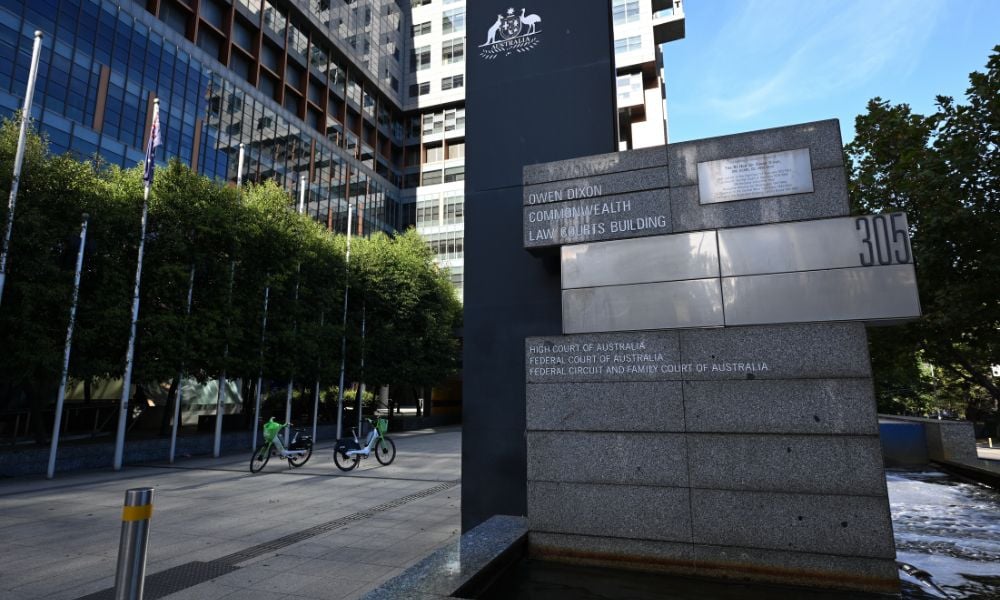
Federal Court allows case restructure after key funder charged with fraud

A director's decision to claim privilege against self-incrimination has led applicants in a $60m property development dispute to abandon major claims and restructure their entire case without any witnesses, the Federal Court ruled on 6 February 2026.
Justice McElwaine allowed CIP Group Pty Ltd and related entities to substantially amend their claims against director Terence So one business day before a scheduled six-week trial, after Marc Clancy, the key witness funding the litigation, faced 22 fraud charges stemming from complaints So made to Queensland Police.
CIP Group Pty Ltd v So (No 12) involves allegations that So breached fiduciary duties as a director of multiple companies involved in the Carver's Reach residential subdivision at Park Ridge, Queensland. The applicants claim So created conflicts of interest by securing a $7m loan and securities for Ultimate Investment Portfolio Pty Ltd, a company he controlled with his wife.
Marc Clancy, who gives instructions to the applicants' solicitor and funds the litigation, told the court he will not testify to preserve his privilege against self-incrimination. This decision prompted the abandonment of significant allegations, including claims for lost opportunity to derive $50-$60m in profits from completing the development.
The applicants filed their amendment application at 4:00 p.m. on 20 November 2025, one business day before the 24 November trial date. They also advised they would call no witnesses at all, including five lay witnesses and five experts who had prepared approximately 20 affidavits.
The So parties and law firm Thynne & Macartney argued the court should revoke the derivative leave that allowed the proceeding, claiming Marc Clancy's personal interests now conflict with the companies' best interests. They also contended the amended claims lack sufficient prospects of success.
Justice McElwaine rejected these arguments but refused to allow some proposed amendments, particularly those seeking orders to wind up the companies on just and equitable grounds. The judge found these claims lacked essential material facts.
The court granted leave for amendments that maintain the core fiduciary duty allegations while abandoning the misleading conduct case and oppression claims. The revised case seeks approximately $35m in equitable compensation for breach of fiduciary and statutory duties.
"It follows from my findings on the first issue, that the Clancy parties have made the forensic decision to abandon a large component of the claims because Marc Clancy will not give evidence," Justice McElwaine wrote.
The judge found Marc Clancy's decision to preserve his privilege stems from being charged with offences that overlap with allegations So pleaded in defence. The charges relate to alleged forgery, fraud, and misappropriation between 2018 and 2019.
Justice McElwaine dismissed applications to revoke the derivative leave, finding continuation of the proceeding remains in the best interests of the companies despite the substantial changes. The trial will now proceed as a documentary case without witness evidence, potentially reducing the hearing from six weeks to less than two weeks.
The matter involves multiple companies in liquidation and receivership, with security for costs already provided based on the original six-week estimate.