About $35m freed from a delayed compensation fund and shared out immediately
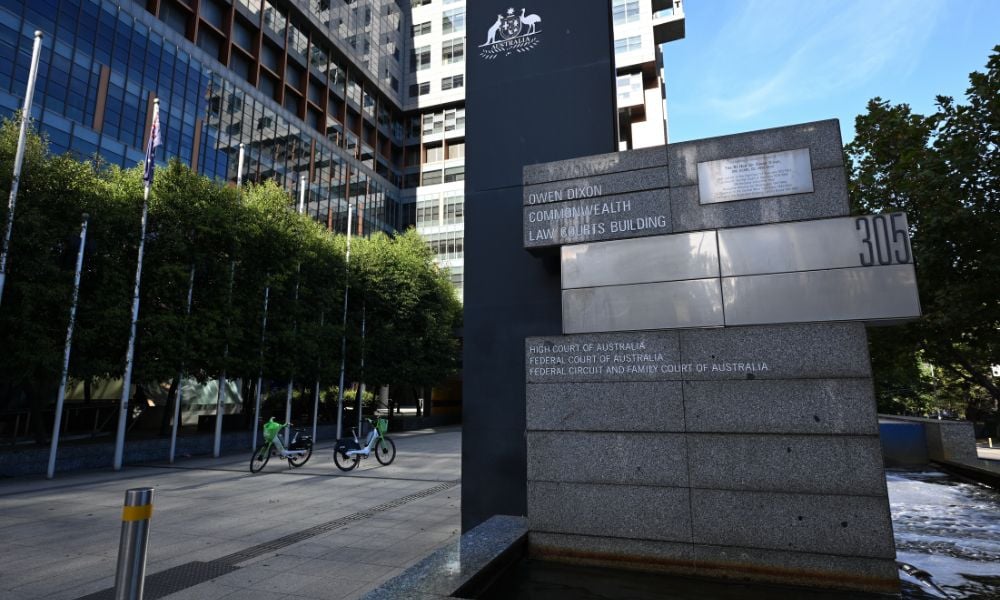
The Federal Court ordered the residual penalty from Qantas's unlawful outsourcing case, about $35 million, distributed to affected workers by length of service.
In Transport Workers' Union of Australia v Qantas Airways Limited [2026] FCA 1160, released on 17 August 2026, the court separated the payout from a stalled compensation scheme.
In August 2025, the court ordered Qantas to pay a $90 million penalty for outsourcing its ground handling operations, which breached the Fair Work Act 2009 (Cth) (the Act). It directed $50 million to the Transport Workers' Union of Australia and set aside $40 million for the affected workers.
Orders made in December 2025 paid each registered worker an interim $3,333 and tied the roughly $35 million balance, plus interest, to the completion of a compensation scheme run by Maurice Blackburn.
The court found that the administrator could not say when compensation would be paid. It pointed to deficiencies in medical reports needed to assess non-economic loss, meaning harm beyond direct financial loss, and to an unresolved question over possible repayments to the government agency Services Australia.
The court held that any distribution tied to the scheme would carry its timetable and, in the court's words, its "now inestimable contingencies." Relying on a provision of the Act that lets the court direct a penalty be paid to a particular person or organisation, it replaced the earlier orders so the money could be paid immediately.
The court emphasised that the payment was a penalty, not compensation, and that no worker had a legal right to a share based on individual loss. It ordered the fund shared by tenure – each worker's years of service as a proportion of the total. The court said that this method needed no further step by workers and worked as a reasonable proxy for age.
One affected worker argued that an equal split would be fairer, noting that younger workers with shorter service had been deprived of long careers. The court accepted that the point had "real substance" but preferred tenure, reasoning that an older worker's loss of a job differed from a younger worker's better prospects of finding new work.
The court also contrasted the union's role with a class action, noting that the scheme had run without the court supervision safeguards, such as judicial approval of settlements, that protect group members. It said that earlier court involvement could have resolved the delays sooner. The matter was re-listed for the first week of December 2026 for the administrator to report on the scheme.