Court lays out how far boards must probe junket and banking risks

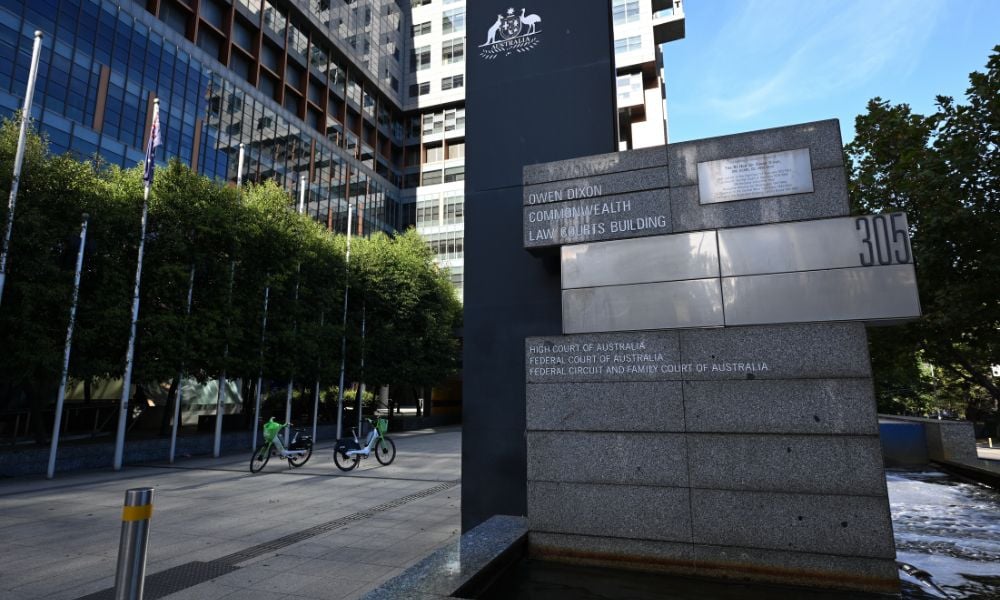
On 5 March 2026, the Federal Court found Star Entertainment directors and officers breached core duties over junket risks and China UnionPay card use.
In Australian Securities and Investments Commission v Bekier (Liability Judgment) [2026] FCA 196, Justice Lee dealt with civil penalty proceedings that the Australian Securities and Investments Commission (ASIC) commenced against 11 members of the executive team and board of The Star Entertainment Group Limited. The case concerned alleged contraventions during dealings with junkets and Star's principal banker. Two of the 11 defendants, Mr Hawkins and Mr Theodore, settled the claims brought against them before the liability judgment was delivered, with consent orders made by another judge of the court.
ASIC alleged that Star directors and officers contravened s 180(1) of the Corporations Act 2001 (Cth) because they failed to discharge their duties with the degree of care and diligence that a reasonable person would exercise in Star's circumstances. Justice Lee held that directors and officers breached s 180(1).
ASIC framed two central aspects of its case. First, it focused on Star's dealings with junkets, particularly its largest junket customer, Suncity. ASIC said that chief executive officer and managing director Matthias Bekier and most senior in-house solicitor Paula Martin, who later became company secretary and chief legal and risk officer, failed to act after they became aware that Suncity personnel had engaged in suspicious conduct at Star's Sydney casino, including apparent money laundering and other potential criminal activity. ASIC alleged that they did not take steps to terminate or suspend Star's business associations with Suncity, even when they had notice of active law enforcement interests, and that they did not ensure the board received a proper overview of Suncity's conduct and the risks to Star.
ASIC also alleged that Star's directors failed to take reasonable steps to place themselves in a position to guide and monitor the management of the company. ASIC contended that they did not apply an enquiring mind to their responsibilities, did not recognise manifest gaps in information that management provided, did not recognise when information revealed deficiencies in Star's management of junket risks, and did not act as stewards overseeing that risk.
The second aspect of the case concerned Star's interactions with National Australia Bank Ltd (NAB) and China UnionPay (CUP) cards. ASIC asserted that since at least 2016, CUP had repeatedly made clear to Star, through NAB, that customers could not use CUP cards for gambling purposes, yet such use continued at Star casinos. Star knowingly permitted customers to obtain money for the prohibited purpose of gambling, in the guise of hotel expenses.
ASIC alleged that in November 2019 Martin reviewed and permitted correspondence to go to NAB, and then to CUP, which falsely represented that customers used CUP cards at Star only to pay for non-gambling expenses. ASIC said that Bekier and Martin failed to inform the board about CUP issues and that their conduct exposed Star to risks of various types of harm, including damage to its relationship with NAB, potential legal liability and reputational harm.
Justice Lee examined the role of the company secretary, group general counsel and chief legal and risk officer, and the way the Corporations Act applies s 180(1) across all responsibilities that an officer holds within a corporation. He considered whether responsibilities in those roles are divisible and analysed s 180(2) of the Corporations Act and whether the "business judgment rule" operates as a rebuttable presumption or a defence.
The judgment stated that directors must read, understand, and engage with the information they receive as board members, that boards must control the information they receive, and that directors must take reasonable steps to place themselves in a position to guide and monitor the management of the company. Directors could not rely on an inability to cope with the volume of information; they had to exercise control.
Justice Lee also referred to the impact of artificial intelligence on corporate governance practices, observing that while the use of technology may assist comprehension, it cannot displace human judgment.
The court adjourned the proceeding, part-heard, to a date to be fixed within the next seven days for the making of orders in conformity with the reasons.