The Baker McKenzie senior lawyer explains how people can better protect data in this day and age
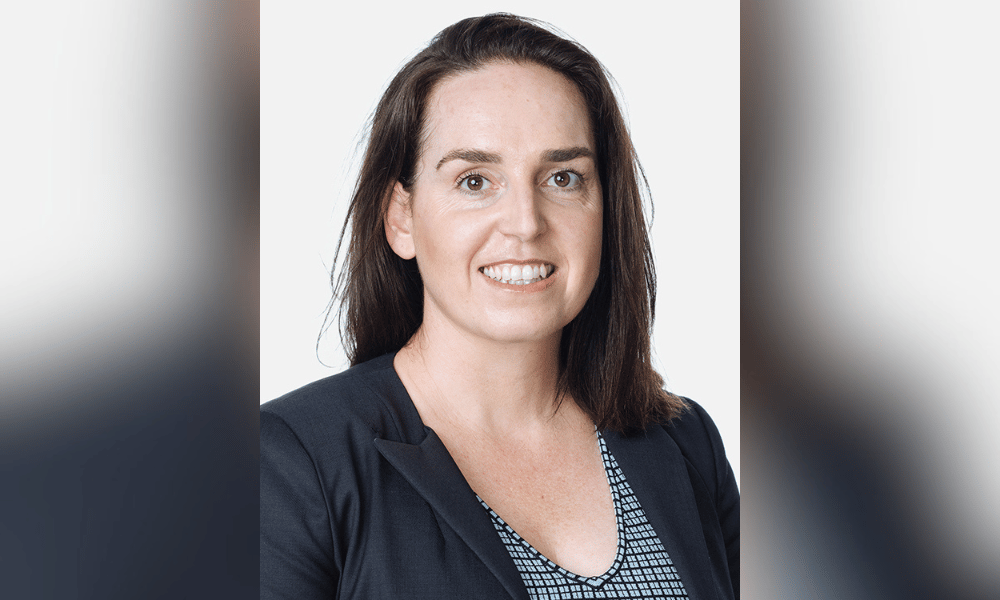
As Australia weighs jumping into the data centre market, things are heating up for lawyers like Simone Blackadder. The Baker McKenzie special counsel highlights the recent significant boost in demand for cloud services, AI and digital infrastructure, which has made the tech space “a very interesting place”.
In the second part of this interview, Blackadder shares to Australasian Lawyer the three most common issues she has encountered in the AI-copyright battle and explains how the AI conversation is shifting.
What in your opinion was the most important thing you got involved in over the past year?
The most significant area of work for me over the past year, comes back to advising clients involved in the rapidly growing data centre sector.
The surge in demand for cloud services, AI and digital infrastructure has driven unprecedented investment into data centres globally, including in Australia. This coupled with changes over the last few years for critical infrastructure, cyber security and privacy makes the technology space a very interesting place to work.
What makes my work particularly interesting is its genuinely global nature. Data doesn't necessarily recognise borders, and many of the clients, investors and service providers involved operate across multiple jurisdictions. Working with colleagues throughout Baker McKenzie's global network to support those projects is a highlight for me each year.
What in your opinion has been AI's biggest benefit, and what has been its biggest negative?
Its biggest benefit is productivity. It can help people find information faster, automate routine tasks and free up time to focus on higher-judgment work.
Its biggest downside is overreliance. We need to ensure that we are using our own judgment with any outputs created. It's a powerful tool, but it's most effective when it's supporting human decision-making rather than replacing it.
What are the three most common issues you've observed or encountered in terms of how AI has impacted copyright law?
The three biggest issues are probably training data, ownership and transparency.
First, there's ongoing debate about whether copyrighted material can be used to train AI models and what permissions might be needed.
Second, there's the question of ownership. If AI helps create something, who owns it and does it even qualify for copyright protection?
And third, there's transparency. Organisations want to understand what data has gone into AI systems and whether there's a risk that copyrighted material could appear in the outputs.
It's an area that's evolving incredibly quickly, so the law is still catching up with the technology. Each jurisdiction is handling AI regulation in slightly different ways making global approaches somewhat challenging for organisations.
How can people better protect their data in this day and age?
A few simple habits can go a long way. Use strong, unique passwords, switch on multi-factor authentication, keep your devices updated and think carefully about what personal information you're sharing online and to whom.
The reality is that privacy and cybersecurity aren't just technology issues anymore. They're everyday issues, so a little awareness can make a big difference.
What are you looking forward to the most in the coming year?
I'm looking forward to seeing organisations move beyond experimenting with AI and start using it in a more strategic and mature way. The conversation is increasingly shifting from the technology itself to questions of trust, governance and business value. That's where many of the most interesting challenges and opportunities will be over the next year.
On a personal level, I'm excited to continue working with clients on emerging technology issues and helping shape practical approaches to some of the most challenging legal questions arising from AI, data and cybersecurity.