He discusses the factors that led him to private practice after retiring as a judge
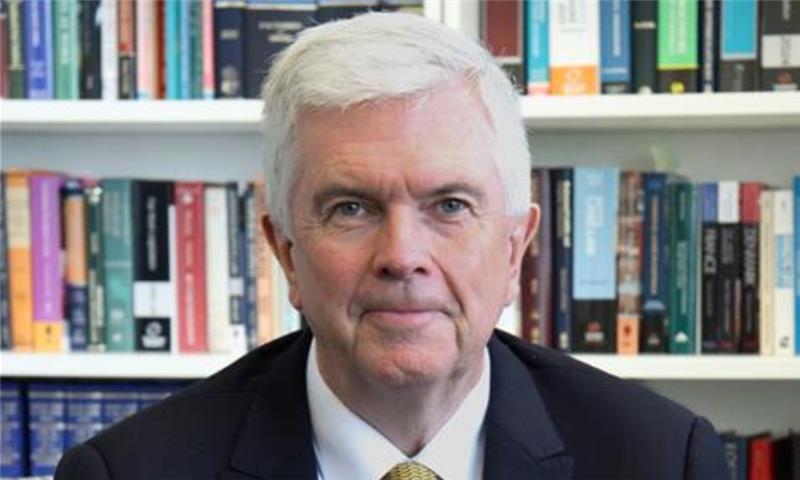
After closing out 2025 with his retirement from the bench of the NSW Supreme Court’s common law division, Michael Walton has kicked off 2026 in a new role with Carroll & O’Dea Lawyers.
Australasian Lawyer caught up with Walton recently, and in the first part of this interview, Walton explains why he decided to go into private practice; he also discusses the factors that convinced him to make the jump to Carroll & O’Dea.
What spurred your decision to go into private practice after your retirement from the bench?
There were push and pull factors. Whilst judicial officers may have a variety of reasons for agreeing to take an appointment to the bench, the one element in common is a willingness to give service to the community. Life as a judicial officer is both rewarding and demanding from both an intellectual and work intensity perspective. After 27 years on the bench and upon reaching the milestone of 70 years of age, I considered my contribution to the community, as a member of the court, had run its course.
On the other hand, I have always found work in the law fulfilling and wished to very much continue in that capacity, on a part time basis. I also look forward to contributing to the development of young lawyers. An old friend, a retired judge and now legal consultant, persuaded me that there was a substantial life outside the bench.
How did this opportunity with Carroll & O’Dea come up, and what led you to decide it was the right move for you at this stage of your life and career?
Having ruled out the bar as incompatible with the altered working arrangements I have in mind, Carroll & O’Dea presented, amongst other law firms, as committed to maintain in its workplace a work life balance, one which would allow me scope to contribute, as one with particular legal skills and long experience, provide an opportunity to engage in mediations, mentor and develop future generations of lawyers, and support the firm in servicing its clients, as well as playing a good deal more tennis and engaging with family and friends.
My initial meeting was with a legal consultant at Carroll & O’Dea who had known me in my days as an industrial officer with the Australian Workers Union. My extensive inquiries about the firm resulted in a universally positive response.
In your opinion, what would be the biggest adjustment you expect in going from a judicial role that you were in for so long to this private practice role?
The judiciary is, in my view, an “occupational community”, as that concept is understood in sociology. That was reinforced to me by my term as president and vice-president of the Australian Judicial Officers Association, during which I had the honour and privilege of meeting and representing judges from all Courts throughout Australia.
My point is that I still have a strong association with the identity of a judge not as a matter of status but with the culture, norms and attributes of a judge and the role of the judiciary in the community. Retirement from the bench does not change that fact. It is natural then that a period of transition will be required.
That said, I am excited to join Carroll & O’Dea and to undertake some particular roles in private practice.