Court finds recusal application was an unreasonable act under Fair Work Act costs provision
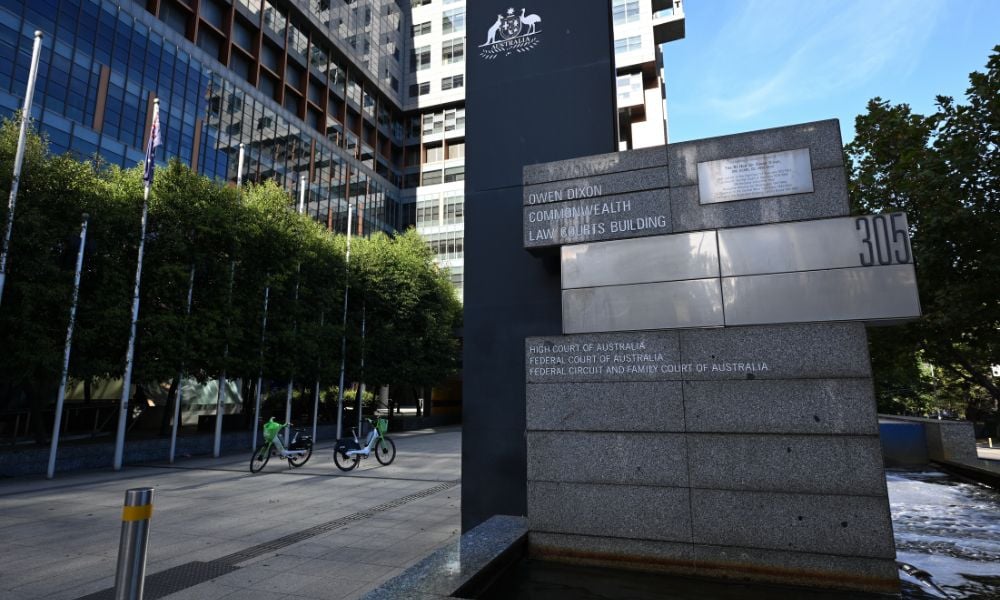
The Federal Court has ordered an applicant to pay two respondents’ costs after finding his unsuccessful recusal application was an unreasonable act that caused them to incur costs.
The court ordered the applicant to pay the two respondents’ costs of the recusal application as agreed or taxed. The applicant’s substantive proceeding seeks an extension of time to file an originating application for judicial review of decisions of the Fair Work Commission. Although the proposed judicial review is under the Administrative Decisions (Judicial Review) Act 1977 (Cth), the court found the rights the applicant seeks to enforce arise under the Fair Work Act 2009 (Cth).
The court therefore considered s. 570 of the Fair Work Act, which limits its general discretion to award costs. Under s. 570(2)(b), costs may be ordered where a party’s unreasonable act or omission caused another party to incur costs. The court found that the threshold was met.
It accepted the respondents’ submissions that the recusal application was without evidentiary foundation or logical basis and was wholly unsuccessful. The asserted procedural complexity and concerns about the filing and consideration of evidence did not provide reasonable grounds for seeking recusal.
The earlier recusal judgment found the applicant made serious allegations of conflicts of interest, corruption and collusion between the judge’s chambers and the respondents without an evidentiary foundation. It also found that he fundamentally misunderstood the court’s practices, procedures and attempts to assist him with filing material.
The court said the relevant assessment of reasonableness was objective. The applicant’s asserted genuine concerns about whether he would receive a fair and impartial hearing did not prevent the application from being characterised as unreasonable.
The court found the respondents incurred costs responding to and appearing at the hearing of the recusal application. It concluded this was a “clear case” of unreasonableness in which the discretion to award costs should be exercised.