Man convicted of 18 counts of sexual offending fails to convince court to extend time
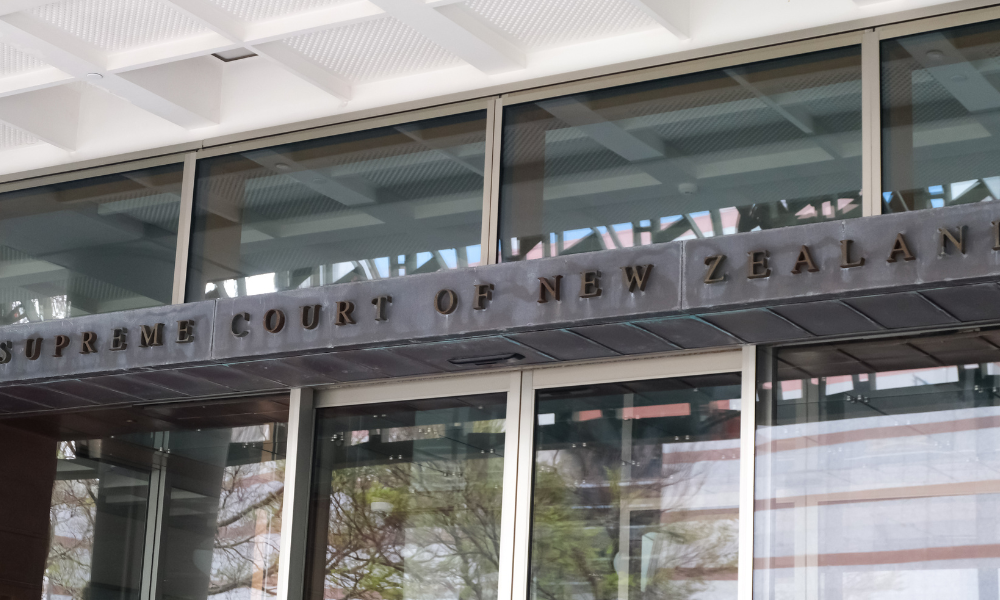
In a case arising from convictions for sexual offending, New Zealand’s Supreme Court rejected a request to extend the time to apply for leave to appeal and the offender’s argument that his trial counsel failed to test a complainant’s recollection.
In Hartley v R, [2025] NZSC 91, the applicant faced charges for 19 counts of sexual offending and one count of making an intimate visual recording. The Crown alleged that he groomed teenagers using money, work opportunities, cigarettes, alcohol, food, and internet access from around 1997–2008.
In his defence, the applicant denied some of the Crown’s allegations. He also argued that the complainants were 16 or older when the alleged criminal conduct occurred.
A jury found the applicant guilty of 18 counts of sexual offending – comprising 17 counts of indecencies against young people and one count of rape – plus one count of making an intimate visual recording. The jury acquitted him of one count of indecent assault.
The judge sentenced the applicant to preventive detention with seven years’ imprisonment at the minimum.
The applicant appealed his sentence and 19 convictions. He alleged unreasonable verdicts, prosecutorial misconduct, trial counsel error, and judicial error by failing to recuse based on apparent bias.
New Zealand’s Court of Appeal dismissed the conviction appeal. However, the appeal court granted the sentence appeal and substituted a 14-year imprisonment sentence, with at least seven years in jail.
In the present application, the applicant requested leave to appeal around a decade after the deadline for doing so. He alleged a risk of a substantial miscarriage of justice and three issues of general or public importance:
The applicant’s explanation for the delay asserted an arm injury, the COVID‑19 pandemic, inadequate access to computer facilities and legal assistance, and the incarceration itself.
The Supreme Court of New Zealand dismissed the application seeking an extension of time to apply for leave to appeal.
The Supreme Court found it unnecessary to hear or decide the proposed appeal in the interests of justice, given that the applicant’s 16 proposed appeal grounds generally duplicated his arguments before the appeal court.
Regarding delay, the Supreme Court said the applicant waited too long to seek permission to appeal. The Supreme Court added that the applicant failed to justify the lengthy delay or meet the criteria for leave to appeal in s 74 of the Senior Courts Act 2016.
First, the Supreme Court saw no matter of general or public importance in the proposed appeal. The Supreme Court explained that the appeal court applied orthodox principles on unreasonable verdict appeals and apparent bias, and the jury understood the task of assessing the circumstances affecting indecency.
Second, the Supreme Court found no miscarriage of justice in the proposed appeal. The Supreme Court determined that the jury had sufficient evidentiary foundation for the verdicts.
Third, the Supreme Court saw no apparent risk of miscarriage of justice in the applicant’s proposed new evidence, which was not fresh. The Supreme Court noted that the trial discussed the issue of timing in depth.
Lastly, the Supreme Court found no apparent error in the appeal court’s analysis of the alleged errors of the judge, trial counsel, and prosecution counsel.