The bill was introduced to parliament yesterday
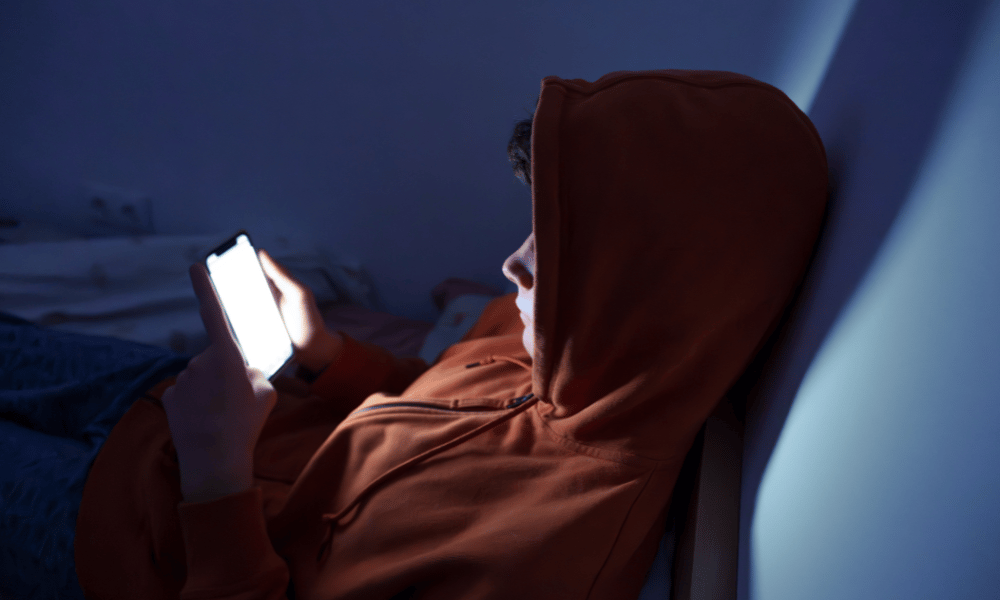
The government has introduced to parliament the Online Safety (Minimum Age and Child Safety Risk Assessment) Bill, which will block children under 16 years old from accessing social media.
The bill went before parliament yesterday. It is intended to impose stronger responsibilities on technology companies when it comes to safeguarding children’s online wellbeing.
Education minister Erica Stanford explained that the bill aligns New Zealand with other countries making similar moves to increase companies’ accountability for social media’s effect on children.
“The bill places legal obligations on platforms. No penalties are proposed for children, their parents or caregivers. It doesn’t just introduce a minimum age requirement. It creates an enduring framework that can evolve alongside technology and holds platforms responsible for understanding and reducing the risks they create for children”, Stanford said in a media release.
Under the bill, high-risk social media platforms such as Instagram, TikTok, Snapchat and Facebook must take reasonable steps to determine whether users are over 16. They would be required to implement methods like reviewing existing account information, facial age estimation, digital ID services and formal ID.
Platforms with child users must periodically evaluate their risks to such users and provide a report on the identification and mitigation of those risks. Moreover, emerging technologies like AI companion platforms must be included in the regulatory framework.
An online safety regulator must be set up in the Department of Internal Affairs for independent compliance tracking, platform investigation and law enforcement purposes. Organisations that do not comply with obligations would be severely penalised under the bill - penalties could reach 10% of a platform’s international revenue.
The government would also be improving education and public awareness to support parents, schools and communities in guiding children through safe online engagement.
“One in three children aged between 13 and 17 are now spending at least five hours on social media a day. Social media is exposing them to harmful content, addictive technology and pressures they are not equipped to deal with and it’s affecting their family life, mental health, sleep, and education”, prime minister Christopher Luxon said. “Obviously, parents have a role to play in monitoring what social media platform their children are on, but so do social media companies. We have protections to keep children safe in the real world and we need them in the virtual world too”.
He acknowledged that while the bill would not completely block access to social media for under-16s, evidence from Australia had suggested that the imposition of minimum age requirements in social media access was leading to behavioural adjustments.
“This is about making a meaningful difference now and changing the norm for future generations”, Luxon said. “We simply cannot accept the harm being done to a generation of New Zealand children”.