
'Real justice means more than equal treatment': Auckland Law School's Andrew Erueti
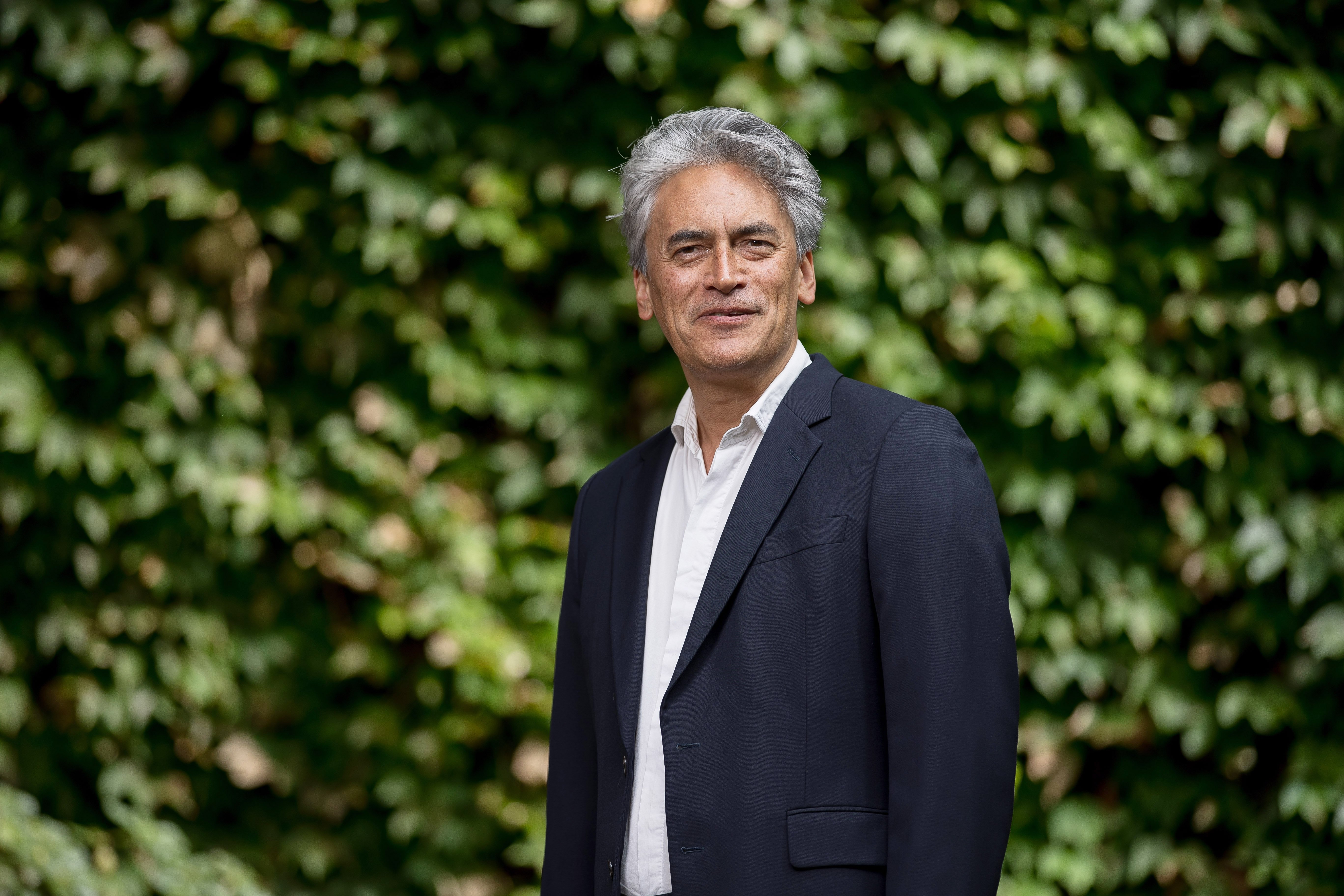
In Aotearoa New Zealand, human rights law is being utilised to narrow self-determination’s scope, especially when Māori initiatives seeking co-governance challenge the state’s monopoly on power, according to research by Andrew Erueti, associate professor at the Auckland Law School.
According to a news release from the University of Auckland, the new research aimed to address who holds the power in New Zealand, how authority is used, and who determines what justice looks like.
The research titled “Indigenous Rights Beyond the Liberal Frame” also discussed how the country’s governments have wielded verbiage like “equality,” “non-discrimination,” and “one law for all” when urged to enable Māori governance and constitutional transformation.
The research noted that human rights are supposed to promote justice and fairness and protect against discrimination. In the university’s news release, Erueti accepted that human rights law has tackled some injustices.
However, the research emphasised that human rights have been used in New Zealand to curb Māori initiatives, aspirations, and authority.
According to Erueti, at the international negotiations for the UN Declaration on the Rights of Indigenous Peoples (UNDRIP), New Zealand joined Australia, Canada, the US, and other countries to assert a definition of Indigenous rights that put individual equality and cultural rights before collective autonomy.
“Instead of recognising Indigenous peoples as self-governing nations with their own authority, governments invoked human rights to limit Indigenous peoples’ aspirations for self-determination,” Erueti said. “But that erases the unique political status of Indigenous peoples under international law – and under Te Tiriti.”
The research noted that tino rangatiratanga – a foundational term in the Treaty of Waitangi – is central to this discussion. Also known as self-determination or sovereignty, this phrase pertains to the Māori right to make their own decisions in line with their systems of authority and customary laws or tikanga.
As Erueti put it, “self-determination means restoring that authority on Māori terms.”
He said there were two models to comprehend Indigenous rights. First was the liberal model, which espoused equal treatment under the law and tended to curtail Māori political authority. Next was the decolonisation model, which affirmed that Māori wielded authority long before the state’s existence.
Though Māori could govern their own lands, resources, and affairs under the Treaty, Erueti explained that the state has restrictively interpreted the Treaty’s promise throughout history and restricted Māori authority to consultation or limited participation in state systems.
Erueti pointed out that this trend has persisted until the present.
According to the university’s news release, in the past few years, Māori have sought to share decision-making power with the Crown and make their own choices regarding health, education, justice, and environmental policy, particularly for matters where Māori communities deal with apparent inequality.
However, as the news release noted, critics have pushed back against these efforts; dubbed them “separatist,” “divisive,” or “race-based;” and utilised the language of universal human rights to support their position.
“While some are saying this is about special treatment, it’s actually about recognising the original agreement between Māori and the Crown and ensuring that Māori have the power to make decisions that affect their lives and communities,” Erueti said.
The university’s news release shared that Māori leaders and legal scholars have put forward models for constitutional transformation based on tikanga Māori and a true partnership between the state and Māori.
According to the news release, iwi leaders and constitutional experts developed the Matike Mai report, which proposed a model featuring the following three spheres of influence, aiming to reflect the Treaty’s original intentions:
“Real justice means more than equal treatment,” Erueti said. “It means recognising the histories, relationships and political authority of Indigenous peoples – and being willing to share power.”




