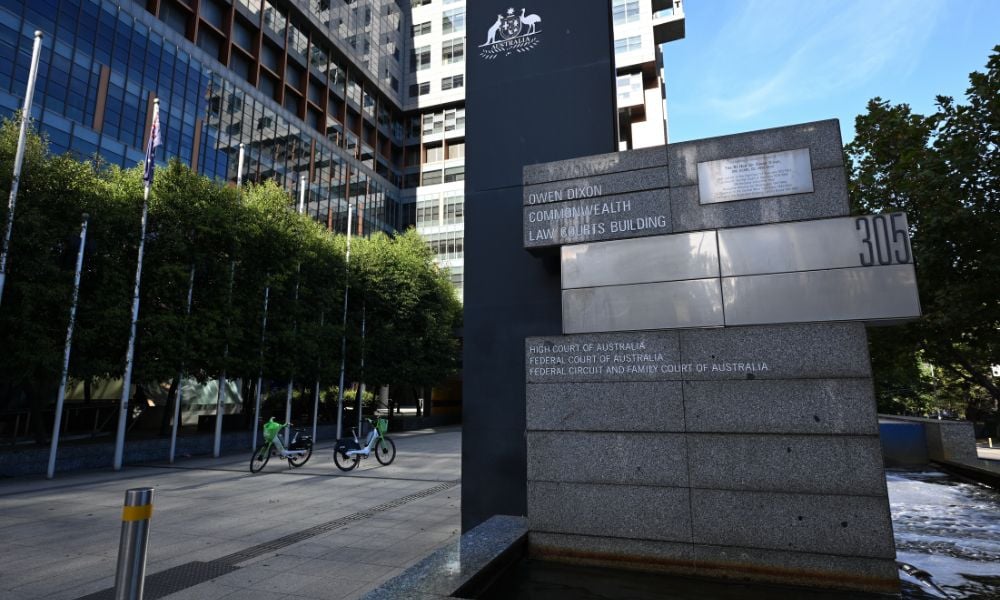
Justice finds writ of summons confused, untenable, potentially abusive of process

A justice of Australia’s High Court has dismissed an ex parte application for leave to issue or file a writ of summons dated 7 November 2025 without an oral hearing and refused leave to issue or file the writ.
In the matter of an application by Trangola for leave to issue or file, [2025] HCASJ 51, the applicant sought to file a writ of summons directed to the Commonwealth of Australia on or around 7 November 2025. A statement of claim accompanied the writ.
Through the writ and the statement of claim, the applicant proposed to seek:
On 10 November 2025, Gordon J directed the High Court registrar to refuse to issue or file the writ without first obtaining the leave of a justice. On or about 17 November 2025, the applicant filed an ex parte application for leave to issue or file the writ, accompanied by an affidavit.
In the affidavit dated 17 November 2025, the applicant alleged that the statement of claim offered a sound and proper basis to commence the matter.
The applicant argued that the Commonwealth had negligently failed to prevent the non‑consensual use of advanced technological interference targeting human cognition and physiology, which involved the commercialization of the human mind and body and could constitute human rights or international law breaches.
In dismissing the application, a single justice of the High Court of Australia described the writ as confused on its face, manifestly untenable, and potentially abusive of process if filed.
The justice held that the applicant failed to: