Issue was eligibility of 'shotfirer' employees under long service leave law

In a recent case, Australia’s Federal Court ruled that the relevant “shotfirer” employees ceased to count as “eligible employees” after 28 February 2022 for the purpose of declaring the employer’s failure to pay the respondent levies for a specific period.
In Orica Australia Pty Ltd v Coal Mining Industry (Long Service Leave Funding) Corporation (No 2), [2025] FCAFC 90, the primary judge determined that some of the appellant employer’s “shotfirer” employees were eligible employees as defined by s 4(1) of the Coal Mining Industry (Long Service Leave) Administration Act 1992 (Cth) since 2013.
The judge granted declaratory relief in line with that determination and directed the employer to pay the costs of the proceeding to the respondent, the Coal Mining Industry (Long Service Leave Funding) Corporation.
On appeal, the employer challenged the judge’s central determination on four grounds and succeeded in two respects.
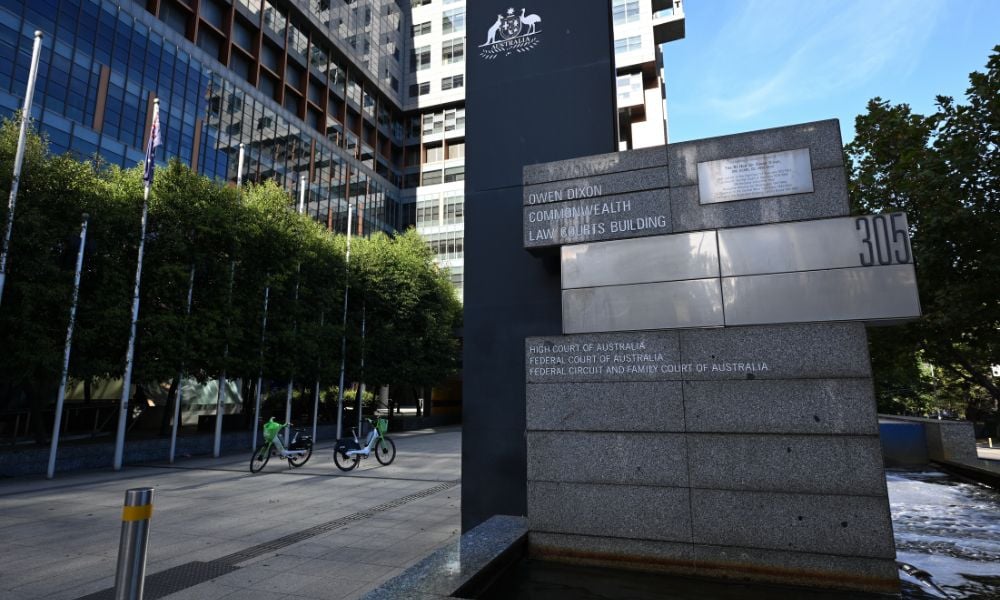
The Federal Court of Australia partly allowed the appeal, limited the declaratory relief the primary judge had granted to a particular period of time, and ordered the parties to bear their own costs of the appeal.
The court declared that:
Regarding the costs of the proceeding before the primary judge, the court saw no reason to interfere with the judge’s cost orders because the appeal’s outcome generally did not impact the respondent’s success at first instance.
As for the appeal’s costs, the court exercised its discretion to order the parties to bear their own expenses. The court explained that both parties emerged partly victorious: