Firms of solicitors in Victoria and Queensland faced claims
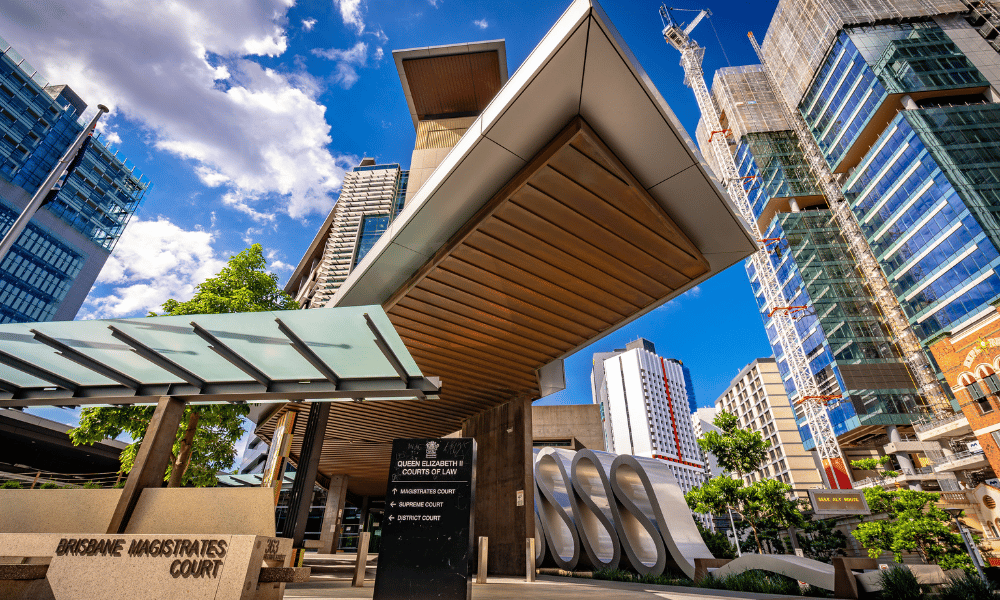
In a proceeding alleging solicitors’ professional negligence, Queensland’s Supreme Court found a proposed amendment inappropriate as it raised a substantial factual issue about nine years after the relevant events, with an insufficient explanation for the delay.
In Tycho Pty Ltd v Trustworthy Nominees Pty Ltd [2026] QSC 89, the applicant brought a third-party claim against a Victorian firm. Under r 376(4) of the Uniform Civil Procedure Rules 1999, the applicant applied to amend its third-party notice to add a claim under s 61 of the Australian Consumer Law (ACL).
Pursuant to that rule, the court could allow a late amendment with a new cause of action if:
The applicant sought the amendment after the limitation period’s expiry.
The applicant’s counsel alleged that its proposed s 61 claim was particularly useful to its client because its current claims for negligence and under s 60 of the ACL were apportionable claims, while its s 61 claim was unapportionable.
In dismissing the application to amend, the Supreme Court of Queensland saw a risk of prejudice and disruption to the preparation for the trial scheduled for around three months away.
The court explained that the amendment sought was inappropriate for the following reasons. First, the court found the proposed amendment substantial.
Second, the court saw a significant delay in the proposed amendment. The court noted the following:
Third, the court found no proper explanation for the late amendment. The court found that the proposed new cause of action – regarding the “close scrutiny” into the applicant’s case over the Christmas period – arose from a fresh idea raised within the applicant’s legal team.
Fourth, the court pointed out that the proposed amendment raised a factual issue involving multiple emails and their implications.
Fifth, the court considered the case largely ready for trial. The court noted that the parties filed all the evidence-in-chief and submitted a trial plan.
Lastly, as it found the proposed amendment inappropriate, the court found it unnecessary to address whether the proposed new cause of action arose from substantially the same facts.