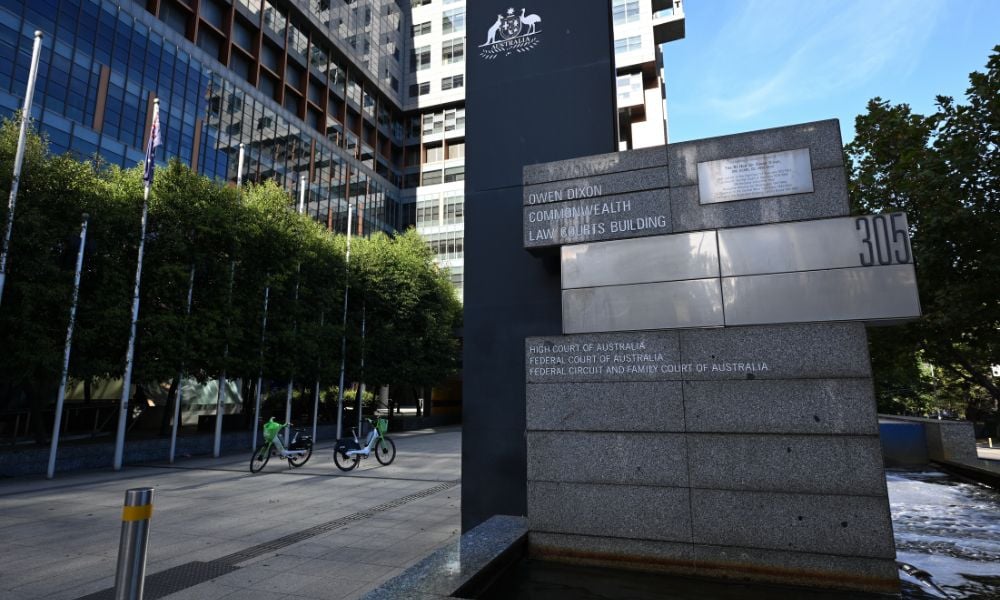
The site collates NDIS-related decisions from the Administrative Review Tribunal

University of Queensland Law School students have developed a database of National Disability Insurance Scheme (NDIS) appeals for lawyers.
The project was delivered via the university’s Pro Bono Centre. According to centre director Professor Tamara Walsh, the database is a searchable collection of NDIS-related decisions made by the Administrative Review Tribunal.
“Lawyers appealing decisions about disability support for their clients need to know the outcome of similar appeals to prepare their case and their client. This website allows them to find the information they need much more efficiently”, Walsh said in a University of Queensland media release.
The NDIS Appeals Database project is presently led by fourth year student Cleo Shave.
“We enter the data on each NDIS appeal decision, including the applicant’s personal details, issues under consideration, the type of support requested and the outcome of the case”, she said. “Legal practitioners can use those inputs to filter their search to find similar cases when preparing and advising on NDIS appeals”.
Shave noted that several law students have contributed to the database pro bono for years with the aim of assisting people with disability. University of Queensland electrical engineering and computer science student Krisna Bou designed and constructed the NDIS Appeals Database website.
The database had started as a spreadsheet that was generated for the internal use of the Queensland Advocacy for Inclusion (QAI); QAI teamed up with the University of Queensland on extending and improving the data’s accessibility.
“Our clients might be seeking services or support like assistive technology, therapy or specialised accommodation. Being able to quickly search cases with similar elements, compare jurisdictions and identify trends in how appeals are resolved improves efficiency and increases our capacity as a community legal centre”, QAI senior solicitor Andrea de Smidt said.
Walsh pointed out the practical value of the project for law students.
“They’re reading cases, learning about the administrative appeals process and engaging in tasks associated with being a lawyer. But they’re also making a very real contribution to a network of organisations that assist people with disabilities to get access to what they need on the NDIS”, she said. “Working in the public interest for the benefit of community is an important aspect of legal practice and the centre aims to inspire students to carry that on into their professional careers”.