O'Malley explains why his role isn't about making decisions in the business
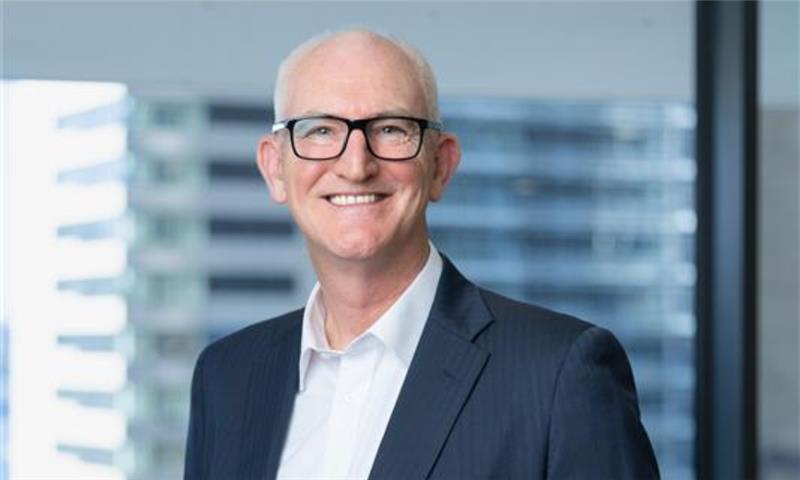
Last month, Wotton Kearney officially welcomed Tony O’Malley as its new board chair. Over the course of his decades-long illustrious career, O’Malley has held many senior positions, but he’s still learning in this new role, which has required him to make one particularly significant adjustment.
In the first part of this interview, O’Malley tells Australasian Lawyer what being Wotton Kearney’s board chair is all about, and what attracted him to the firm in the first place.
What led you to join Wotton Kearney?
There was a range of factors that attracted me to the firm. The first thing that caught my attention was just how clear and simple the strategic focus was. They are deeply specialised in insurance, and in a highly competitive market, that degree of focus and specialisation is very effective. The fact that the firm had an established leadership group that already has a strong track record of delivering growth was also a factor.
The firm is quite unique in that it has a significant external shareholder, Straight Bat, which is highly engaged in the business. It brings quite complementary skills to the table to the firm in terms of supporting stronger financial discipline and providing capital to help the business scale at pace.
The firm has an ambitious growth agenda in terms of deepening its share of current product lines, expanding into new areas of service (risk adjacencies like cyber and data protection), and extending its international footprint. When I looked at those things and what the specific strategic plan was for the business, it affirmed that I could have an impact in terms of my own experience, network and skill set.
How did you come to know that the role of board chair was open?
I was approached by the firm to see if I was interested in being considered for the role. I understand that I was one of a number of candidates, and as with all these things, it's always a relatively lengthy and involved process of meeting different people in the business and essentially sort of interviews.
And I was delighted that I got through each of those successfully. The more that I got to know the people and the firm, the more attracted to the opportunity I was. So I feel very privileged to have been successful in that process.
You've been in the role for a month now. What has been the most significant adjustment that you've had to make going into it?
Without a shadow of a doubt, the most significant shift or adjustment is mindset. For 20-odd years, I've held senior leadership roles and managing partner roles in professional services firms where I've been able to pull the levers in the business and control operations; I'm trying to shift my mindset away from that to one of governance and oversight.
It's not my role, as a non-executive director and chair, to make decisions in the business. The focus now is much more about working with the leadership group on setting direction, making sure there's the right amount of challenge and support to the leadership group – relying much more on influence than any form of positional authority. That'll take a little bit of time to adjust to, and hopefully I'll get there. I'm sure the leadership group will let me know when I overstep.